Best Museums In Tokyo: The Shortlist That Leads With Booking
Three of the museums people most want to see in Tokyo sell no ticket at the door at all. The best shortlist is therefore a booking list first and a ranking second.
Short answer
Tokyo's best museums split into three groups: walk-in classics such as the Tokyo National Museum at 1,000 JPY, timed-slot giants such as teamLab Planets and the Warner Bros. Studio Tour from 6,600 JPY, and three venues, the Ghibli Museum, the Fujiko F. Fujio Museum and teamLab Planets, that sell no door ticket at all. Plan around booking windows, not price.
Three of the museums people most want to see in Tokyo, the Ghibli Museum, the Fujiko F. Fujio Museum and teamLab Planets TOKYO, sell no ticket at the door at all. Show up without a booking and there is nothing to buy. That single fact shapes every good Tokyo museum plan, and it is why this ranking from Tokyo Museums leads with booking windows rather than ticket prices. Money is the small part. Timing is the real cost.
What follows is a shortlist of the strongest venues across art, history, science and pop culture, each with the honest door price, the booking route and the catch. Where a figure is not published, this page says so instead of guessing.
Which Are The Best Museums In Tokyo?
The strongest overall picks are teamLab Planets TOKYO and teamLab Borderless for digital art, the Tokyo National Museum at 1,000 JPY, the Warner Bros. Studio Tour Tokyo from 6,600 JPY for pop culture, the Hakone Open-Air Museum at 2,000 JPY for sculpture, and the National Museum of Nature and Science at 630 JPY for families. Ratings on the live listings run from 4.6 to 4.9, and two of the six cannot be walked into.
The ranking below weighs three things: what the venue actually delivers, what it costs at the door, and how hard it is to get into. A brilliant museum you cannot enter without a month of planning is a different proposition from a brilliant one you can decide on over breakfast. The teamLab pair sits at the top because the experience is genuinely unlike anything else in the city, but the two venues work very differently, and the comparison guide at teamLab Planets versus Borderless unpacks the split in detail.
| Museum | Area | Adult door price | Getting in | Rating and reviews |
|---|---|---|---|---|
| teamLab Planets TOKYO | Toyosu, Koto | not sold at the door | advance only, timed entry | 4.7 across 21,329 reviews |
| teamLab Borderless | Azabudai Hills, Minato | 3,600-5,600 JPY by date, +200 JPY on site | timed slot, book ahead | 4.7 across 23,793 reviews |
| Warner Bros. Studio Tour Tokyo | Toshimaen, Nerima | 6,600 JPY | timed slot, book ahead | 4.8 across 16,914 reviews |
| Tokyo National Museum | Ueno Park, Taito | 1,000 JPY | walk in | 4.7 across 647 reviews |
| Hakone Open-Air Museum | Hakone, Kanagawa | 2,000 JPY | walk in | 4.9 across 117 reviews |
| Samurai Ninja Museum Tokyo | Asakusa, Taito | 3,000 JPY | timed slot, book ahead | 4.6 across 1,879 reviews |
| National Museum of Nature and Science | Ueno Park, Taito | 630 JPY | walk in | 4.6 across 686 reviews |
| SMALL WORLDS TOKYO | Ariake, Koto | 3,200 JPY | walk in | 4.6 across 1,254 reviews |
Two honesty notes belong beside that table. The Warner Bros. Studio Tour is not strictly a museum: it is a walking studio experience through film sets and props, and it says so itself. SMALL WORLDS TOKYO is a miniature theme park as much as a museum, and it belongs on a Tokyo list only with that label attached. The Samurai Ninja Museum in Asakusa is a different animal again, an experience venue with armour try-on and shuriken throwing built into the ticket, run by Maikoya. It is unrelated to the Samurai Museum that used to operate in Kabukicho, which closed permanently in January 2022.
The Tokyo National Museum earns its place the quiet way. At 1,000 JPY it is the cheapest headline museum in the city, it holds the deepest collection of Japanese art and archaeology anywhere, and you can decide to go an hour before you do. Its collection exhibitions are also free on 19 May, 21 September and 3 November 2026, dates the museum publishes on its own admission page.
Which Tokyo Museums Cannot Be Walked Into?
Three venues on this list sell no ticket on site at all: the Ghibli Museum in Mitaka, the Fujiko F. Fujio Museum in Kawasaki and teamLab Planets TOKYO. All three run timed entry and every ticket is bought in advance. A further eight, including teamLab Borderless and the Warner Bros. Studio Tour, sell timed slots that should be booked ahead even though a door route exists.
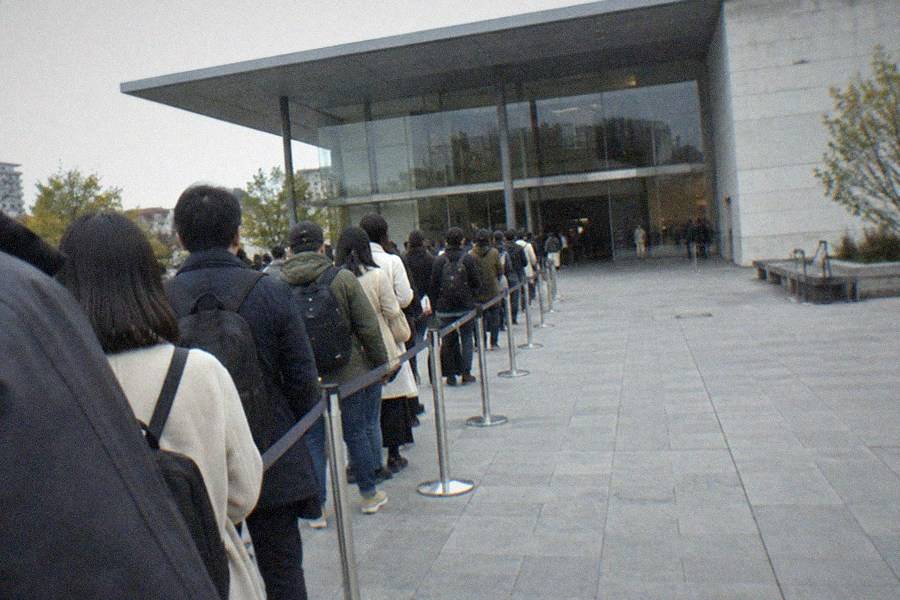
The Ghibli Museum is the strictest of the three. Tickets cost 1,000 JPY for ages 19 and over, go on sale at 10:00 JST on the 10th of each month for the following month, and sell through Lawson Ticket only. A Lawson WEB membership and phone-number verification are required, the member's name is printed on every ticket and cannot be changed, and ID may be checked at the entrance. The museum's own words are blunt: "Ticket purchase for resale is not allowed", as stated on its official ticket page. The only other authorised route is the Sunrise Tours JTB bus tour. Tickets go fast, so be ready at 10:00 on the day, but this is first come, first served, not a lottery of any kind. The full mechanics are in how to buy Ghibli Museum tickets.
The Fujiko F. Fujio Museum works the same way with a different channel. Adult tickets are 1,000 JPY, sold only through the museum's own e-tix system, and you enter with a QR code on your phone or a paper ticket collected at a convenience store for a fee. No tickets are sold at the museum, and the old convenience-store terminal sales have ended.
| Venue | Where the ticket comes from | Sold at the door? |
|---|---|---|
| Ghibli Museum, Mitaka | Lawson Ticket only, or the Sunrise Tours JTB bus tour | no |
| Fujiko F. Fujio Museum | the museum's own e-tix site only | no |
| teamLab Planets TOKYO | official ticket store, convenience-store terminals, the live listing | no |
| teamLab Borderless | official ticket website, the live listing | yes, with a 200 JPY on-site surcharge |
| Warner Bros. Studio Tour Tokyo | its own website plus resellers | yes, but slots sell out |
| Artizon Museum | its own web ticket site, Lawson Ticket, ART PASS | timed slots, book ahead |
| Samurai Ninja Museum Tokyo | Maikoya's own site, the live listing | timed slots, book ahead |
| KidZania Tokyo | the official KidZania website, registration required | same-day tickets when available |
teamLab Planets is the one on this list that most often catches visitors out, because its sister venue Borderless can be bought on the day and Planets cannot. Planets sells timed entry in advance only, through the official ticket store, convenience-store terminals or the live listing, from $24.29 on the listing. It holds a 4.7 rating across 21,329 reviews, and the venue has announced it will operate through the end of 2027, so the closing rumours that circulate about it are wrong. You walk through water and mirrored rooms, so the what to wear at teamLab Planets question is a real one: shorts or something you can roll up. The museum's own page at teamLab Planets tickets carries the booking details and the current price for the date you pick.
For everything else on the timed-slot list, the practical rule is simple: book before you fly, and book weekend slots first. The site's dedicated guide to which Tokyo museum tickets to book ahead works through the whole roster venue by venue.
How Much Do Tokyo Museum Tickets Cost?
Most major Tokyo museums cost between 400 and 1,600 JPY at the door, which is roughly three to eleven dollars. The outliers are the experience venues: SMALL WORLDS at 3,200 JPY, the Samurai Ninja Museum at 3,000 JPY, Edo Wonderland at 5,800 JPY and the Warner Bros. Studio Tour at 6,600 JPY. Several museums are cheaper online than at the door, by 100 to 300 JPY.
The price gap between door and online is the detail most guides miss. The Railway Museum charges 1,600 JPY at the gate but 1,500 JPY in advance. The Hakone Open-Air Museum charges 2,000 JPY on the day and 1,800 JPY online. The Artizon Museum charges 1,500 JPY in person and 1,200 JPY for a timed-entry ticket booked online, and the Tokyo Toy Museum charges 1,300 JPY at the counter against 1,100 JPY bought first. None of these are large sums, but across a family they add up, and the online route usually skips a queue as well.
| Museum | At the door | Bought in advance | Saving |
|---|---|---|---|
| Artizon Museum | 1,500 JPY | 1,200 JPY timed online | 300 JPY |
| Hakone Open-Air Museum | 2,000 JPY | 1,800 JPY online | 200 JPY |
| The Railway Museum | 1,600 JPY | 1,500 JPY advance | 100 JPY |
| Tokyo Toy Museum | 1,300 JPY | 1,100 JPY online | 200 JPY |
| Snoopy Museum Tokyo | 2,200 JPY same-day | 2,000 JPY dated advance, plus a 100 JPY system fee | 200 JPY before the fee |
| Nezu Museum | 1,600 JPY collection, at the door | 1,400 JPY timed online | 200 JPY |
The Tokyo National Museum sits at the other end of the scale. At 1,000 JPY for the collection exhibitions it is the best value headline ticket in the city, university students pay 500 JPY, and high school age and younger, anyone under 18 and anyone 70 or over enter free. Special exhibitions are ticketed separately and priced per show. The museum's page at Tokyo National Museum tickets lays out the collection ticket, which sells online or at the main-gate counters on the day.
Which Tokyo Museums Are Free To Visit?
Two museums are free to visit outright, the Sumo Museum and the Meguro Parasitological Museum, and two more let you into the building for nothing but charge for every exhibition, the National Art Center, Tokyo and the Tokyo Metropolitan Art Museum. Each free museum carries a catch: the Sumo Museum shuts on Saturdays, Sundays and national holidays, and Meguro closes both Monday and Tuesday.
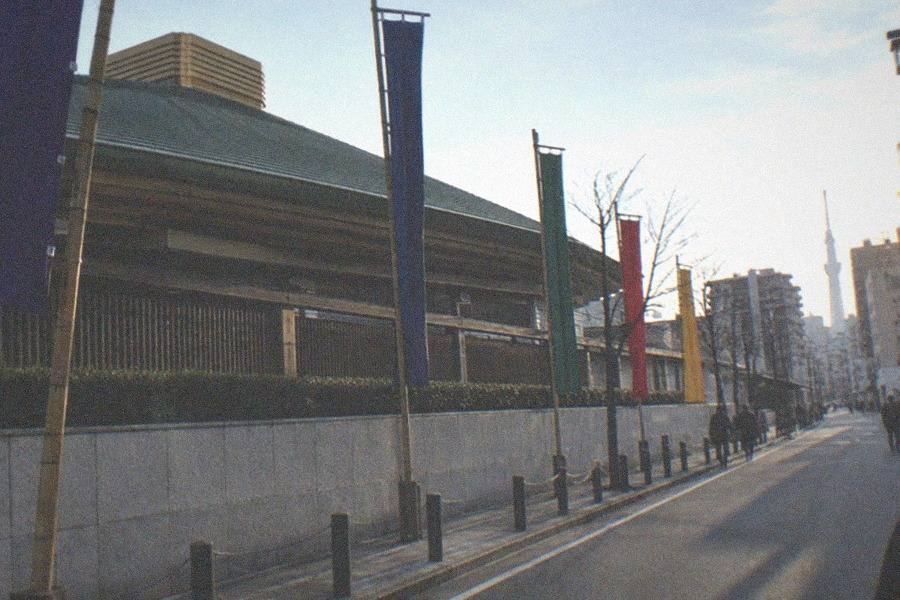
The Sumo Museum sits inside the Ryogoku Kokugikan, admission free, and in normal weeks you simply walk in. Two traps apply. It is shut on weekends and national holidays, which is exactly when most visitors are in Ryogoku, and during a Tokyo tournament you cannot get in at all without a Grand Sumo viewing ticket sold by the Japan Sumo Association. Time a weekday visit outside a tournament and it costs nothing. The Meguro Parasitological Museum is the other genuinely free one, donations welcome, a two-room collection of parasites that has become a cult favourite. It closes Monday and Tuesday, so it needs a little planning too.
The National Art Center, Tokyo and the Tokyo Metropolitan Art Museum are free to enter but are not free museums. At the National Art Center, free covers the Kisho Kurokawa glass facade and atrium, the art library, the shop and the restaurant floor, and nothing else: there is no permanent collection at all, and every exhibition is ticketed separately, typically around 2,000 JPY for a special exhibition. The Tokyo Metropolitan Art Museum works the same way, with free covering the lobby, shop, restaurants and the art-society shows that charge nothing. The site's free museums in Tokyo guide covers the whole free and concession landscape, including the under-18 and 65-plus rules that make several paid museums free for many visitors.
Ryogoku, where the Sumo Museum sits, is also one of the best free-walk neighbourhoods in the city. GuruWalk, a platform for pay-what-you-want walking tours, lists an hour-and-a-half walk called "Sumo Beyond the Ring: The Daily Life of a Rikishi in Ryogoku", which meets in front of JR Ryogoku Station's West Exit and circles the sumo quarter. You book the free slot and tip the guide at the end. The route passes the Ryogoku Kokugikan sumo arena, the Sumo Museum's building, the Ryogoku Edo NOREN food hall, Ekoin Temple and the Lion-do sumo outfitters, so it threads right past the museum without going inside. If the free museum is your reason to be in the district, this free Ryogoku sumo walk is the natural companion, and the meeting point at Ryogoku Station's West Exit is a two-minute walk from the Kokugikan itself.
What Is Open In Tokyo On A Monday?
Twenty-one museums on this site open on a Monday and ten close, including all three big national museums in Ueno Park. The Monday answer is Roppongi, but with a date split: the National Art Center opens every Monday, while the Mori Art Museum is shut 24 September to 30 October 2026 between exhibitions and rejoins the Monday options from 31 October 2026.
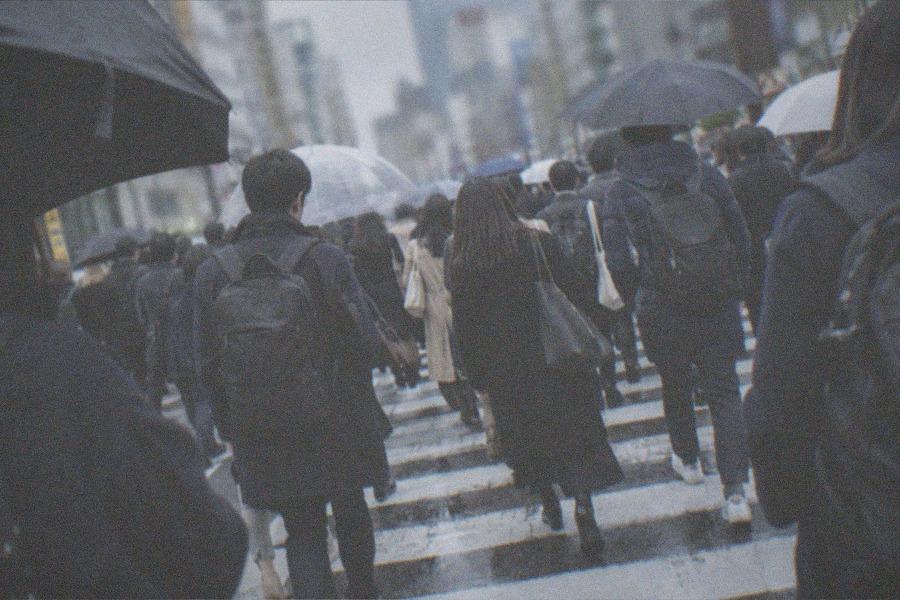
A visitor who plans a Monday around Ueno finds the park's three nationals shut, which is why the Ueno Park museums guide tells people to schedule Ueno for any other day. There is a holiday rule that softens the blow: when a Monday is a national holiday, every Monday-closing museum in this lineup opens that day and closes the following weekday instead. But on an ordinary Monday, Ueno's museum row is out.
| Open on a Monday | Closed on a Monday |
|---|---|
| The National Art Center, Tokyo | Tokyo National Museum |
| Mori Art Museum, except 24 Sep-30 Oct 2026 | The National Museum of Western Art |
| teamLab Borderless and teamLab Planets | National Museum of Nature and Science |
| Warner Bros. Studio Tour Tokyo | Artizon Museum |
| SMALL WORLDS TOKYO | Nezu Museum |
| Hakone Open-Air Museum | The Sumida Hokusai Museum |
| The Railway Museum | Edo-Tokyo Museum |
| The Sumo Museum, except holidays and tournaments | Edo-Tokyo Open Air Architectural Museum |
| Meiji Jingu Museum | Meguro Parasitological Museum |
The Roppongi pair is the standard Monday answer because the two venues sit five minutes apart and the National Art Center closes Tuesday instead of Monday. But the pair is not currently a pair on every date. The Mori Art Museum has no weekly closing day, yet it shuts whenever no exhibition is running, and the current gap runs 24 September to 30 October 2026, between the Ron Mueck show, which ends 23 September, and the next exhibition, which opens 31 October. Anyone visiting inside that window finds the National Art Center alone holding the Monday fort in Roppongi. From 31 October 2026 the pair is genuinely both open again.
Is The Grutto Pass Worth It For Tokyo Museums?
The Tokyo Museum Grutto Pass costs 2,500 JPY, covers 107 facilities and lasts two months from first use. On free entries alone it only breaks even if you use all five of its free-entry museums on this site, which total exactly 2,500 JPY; the best four reach 2,100 JPY and fall 400 JPY short. What makes it pay is the discounts on top, not the free-entry arithmetic.
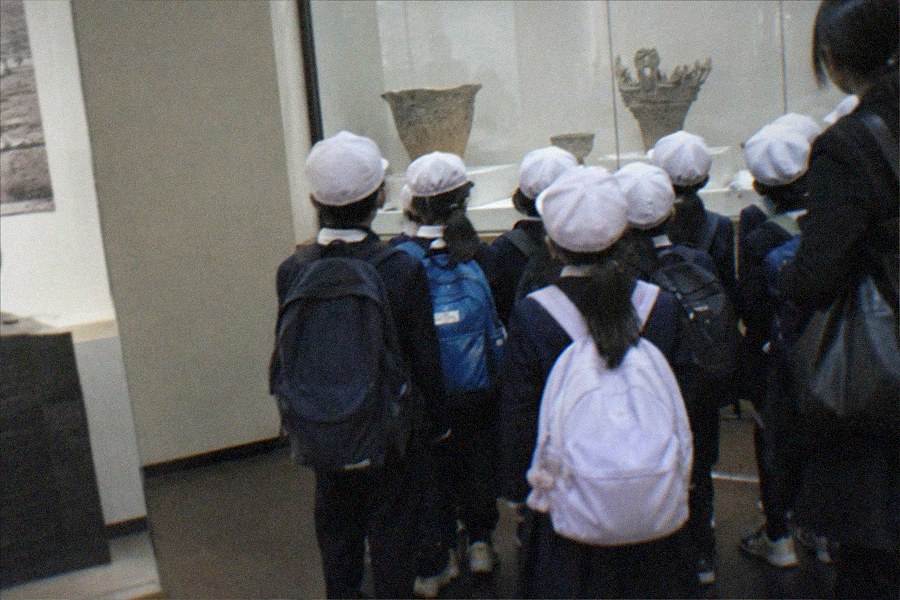
The pass is not a free-entry card, and this is where most published guides go wrong. The official site splits every listed exhibition into free entry and discount, and the split differs per facility. On this lineup, the free-entry venues are the Edo-Tokyo Museum at 800 JPY, the MOT Collection at 500 JPY, the Sumida Hokusai Museum's permanent exhibition at 400 JPY, the Edo-Tokyo Open Air Architectural Museum at 400 JPY and the Fukagawa Edo Museum at 400 JPY. Those five total exactly the pass price. Four of them do not. The discounts, on the Tokyo National Museum collection, the National Museum of Western Art, the National Museum of Nature and Science, the Mori Art Museum and others, are what actually earn the pass back for most visitors. The official details are on the Grutto Pass site.
The exclusions matter just as much. The pass excludes both teamLabs, the Ghibli Museum, the Warner Bros. Studio Tour, Sanrio Puroland, the National Art Center, Nezu, Artizon, Meiji Jingu, the Railway Museum, Hakone Open-Air, SMALL WORLDS, the Unko Museum, Madame Tussauds, Tokyo Trick Art, both Yokohama museums, Edo Wonderland, and special exhibitions almost everywhere. In other words, most of the headline names in the ranking above are simply not on it. There is no other genuine multi-museum pass for Tokyo: Go City does not operate a Tokyo product, and the Tokyo Subway Ticket is transport only.
Which Great Museums Sit Outside Central Tokyo?
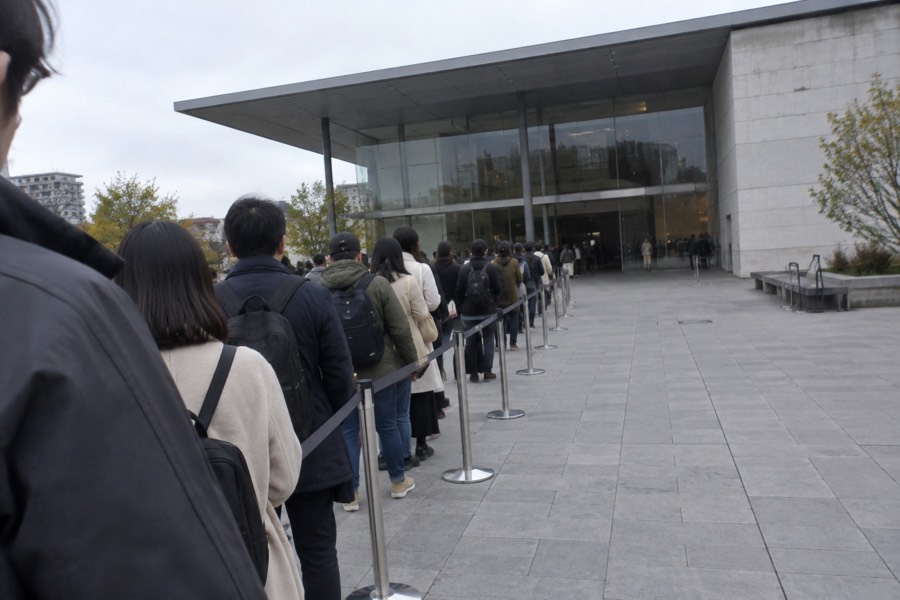
The best museum day trips from Tokyo are the Hakone Open-Air Museum, about two to two and a half hours from Shinjuku, the Railway Museum in Omiya, about 45 to 60 minutes from Tokyo Station, the Ghibli Museum in Mitaka, about 40 to 60 minutes, and the CUPNOODLES MUSEUM in Yokohama. Each is a half or full day, and fares run from roughly 700 JPY return for Koganei to roughly 4,840-4,940 JPY return for Hakone.
The Hakone Open-Air Museum is the strongest of them. It holds a 4.9 rating across 117 reviews, the highest rating on this site's entire roster, it is open 365 days a year with no weekly closing day, and its Picasso pavilion and hillside sculptures make it a genuine destination rather than a rain backup. The door price is 2,000 JPY, the online ticket 1,800 JPY, and the trip from Shinjuku runs about two to two and a half hours each way on the Odakyu Odawara Line with a change at Hakone-Yumoto onto the Hakone Tozan Railway, with a return fare of roughly 4,840-4,940 JPY without a pass. The Hakone Freepass, at 7,100 JPY for two days from Shinjuku with a Romancecar surcharge extra, bundles the local transport.
Closer in, the Railway Museum in Omiya holds historic locomotives and driving simulators, charges 1,600 JPY at the door and 1,500 JPY in advance, and closes Tuesdays. Advance tickets sell through the museum's own site or at 7-Eleven, Lawson and Ministop, and foreign visitors can use either route. In Odaiba, Miraikan, the National Museum of Emerging Science and Innovation, is the science museum most guides still recommend without checking, and it must be flagged: the whole museum, permanent exhibitions, Geo-Cosmos, Dome Theater, robot area, shop and cafe, closes from 1 October 2026 to 22 April 2027, reopening 23 April 2027. The National Museum of Nature and Science in Ueno, at 630 JPY, is the walk-in alternative that stays open, though part of its Global Gallery is closed for renovation from 8 September 2026.
Yokohama pairs the CUPNOODLES MUSEUM, 500 JPY, closed Tuesdays, with the Shin-Yokohama Ramen Museum, 450 JPY, where the bowls themselves cost extra inside. Nikko's Edo Wonderland, a full Edo-period theme park rather than a museum, runs 5,800 JPY for the day and is a long trip, best saved for a full itinerary. The site's Tokyo museum day trips guide plans the routes and fares in full.
How Far Ahead Should You Book Each Tokyo Museum?
Book the Ghibli Museum at 10:00 JST on the 10th of the month before your visit, teamLab Planets as soon as your dates are fixed, and the Warner Bros. Studio Tour and teamLab Borderless a few weeks out for weekend slots. Walk-in museums such as the Tokyo National Museum and the Nature and Science museum need no booking at all, and Artizon's timed slots, fifteen per day, should be reserved online for the cheaper 1,200 JPY rate.
| Venue | When to book | What happens if you leave it |
|---|---|---|
| Ghibli Museum, Mitaka | 10:00 JST on the 10th, for the following month | sold out, no door route |
| Fujiko F. Fujio Museum | as soon as dates are fixed, own e-tix site | sold out, no door route |
| teamLab Planets TOKYO | weeks ahead for weekends | sold out, no door route |
| Warner Bros. Studio Tour Tokyo | weeks ahead, timed slots | popular slots go first |
| teamLab Borderless | days to weeks ahead | pay 200 JPY more on site |
| Artizon Museum | book the timed slot online | pay 300 JPY more at the door |
| Samurai Ninja Museum Tokyo | book the timed slot | sessions fill on busy days |
| Tokyo National Museum | no booking needed | walk in |
The Samurai Ninja Museum in Asakusa is the booking-dependent venue people most often treat as a walk-in. Its basic adult ticket runs about 3,000 JPY and covers entry, a guided tour, samurai armour try-on and shuriken throwing, with upgrade packages, ninja training, sword cutting or a tea ceremony, running from 6,000 to over 12,000 JPY including admission. Sessions are timed and book ahead through Maikoya's own site or the live listing, from $20 on the listing, and it holds a 4.6 rating across 1,879 reviews. A second branch, Samurai Ninja Museum Shinjuku, opened in December 2025 two minutes from Shinjuku-sanchome, same operator, different venue. Check the museum's calendar for the day you want, because it publishes no fixed weekly closing day.
For families, one more booking note: KidZania Tokyo, a role-play park rather than a museum, runs fixed first and second sessions, and children under 2 need no reservation and enter free. The Tokyo Toy Museum in Yotsuya is the opposite, a calm walk-in venue at 1,300 JPY at the counter or 1,100 JPY online, closed Thursdays, where the online ticket is the better buy and counter sales can close if the day's allocation runs out.
Put simply, the best Tokyo museum trip is booked in two moves. Reserve the two or three venues that demand it, Ghibli, Planets, the studio tour, a month or so out, then fill the gaps on the ground with the walk-ins, which include most of the cheapest and most rewarding museums in the city.
Common Questions About The Best Museums In Tokyo
What is the number one museum in Tokyo?
By rating, the Hakone Open-Air Museum holds a 4.9 across 117 reviews, the highest on this site's roster. By scale and uniqueness, teamLab Planets TOKYO and teamLab Borderless, both rated 4.7 across 21,329 and 23,793 reviews respectively, are the experiences visitors describe most strongly. For a classic collection, the Tokyo National Museum at 1,000 JPY is the strongest pick.
Do I need to book Tokyo museums in advance?
Three venues cannot be bought at the door at all: the Ghibli Museum, the Fujiko F. Fujio Museum and teamLab Planets TOKYO. A further group, including teamLab Borderless, the Warner Bros. Studio Tour and the Samurai Ninja Museum, runs timed slots that should be booked ahead. Most of the rest, including the Tokyo National Museum, are walk-ins.
Which Tokyo museums are free?
Two museums are free to visit outright, the Sumo Museum and the Meguro Parasitological Museum, and two more let you into the building for nothing but charge for every exhibition, the National Art Center, Tokyo and the Tokyo Metropolitan Art Museum. The Sumo Museum closes Saturdays, Sundays and national holidays, and Meguro closes Monday and Tuesday.
Are Tokyo museums open on Monday?
Twenty-one museums on this site open on a Monday, but all three big Ueno national museums close. The Monday answer is Roppongi: the National Art Center opens every Monday, and the Mori Art Museum joins it from 31 October 2026, once its between-exhibitions closure of 24 September to 30 October 2026 ends.
Can you buy Ghibli Museum tickets at the door?
No. Every Ghibli Museum ticket is a date- and time-specified advance ticket sold through Lawson Ticket, released at 10:00 JST on the 10th of each month for the following month, or through the Sunrise Tours JTB bus tour. The buyer's name is printed on the ticket, resale is not allowed, and ID may be checked at the entrance.
How much do Tokyo museums cost?
Most major museums charge between 400 and 1,600 JPY at the door. The Tokyo National Museum is 1,000 JPY, the National Museum of Nature and Science 630 JPY, and the experience venues run higher: SMALL WORLDS at 3,200 JPY, the Samurai Ninja Museum at 3,000 JPY and the Warner Bros. Studio Tour at 6,600 JPY.
Is the Grutto Pass worth it?
Only if you use it broadly. The 2,500 JPY pass breaks even on free entries alone only if you visit all five of its free-entry museums on this site, which total exactly 2,500 JPY. It excludes both teamLabs, the Ghibli Museum, the Warner Bros. Studio Tour and most headline venues, so its value comes from the discounts at the museums it does cover.