teamLab Borderless
Azabudai Hills, Minato
from $20.75per person, live price on the listing Check availability →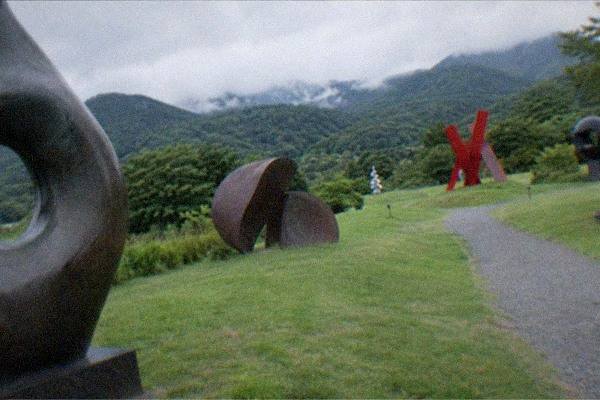
from $11.75 per person, live price on the listing
Check Price & Availability →Opens the official listing with live dates and prices. Book there; nothing is charged on this site.
Sculpture stands on lawns backed by the Hakone hills, and the museum that holds it has no closing day at all: the Hakone Open-Air Museum opens 09:00 to 17:00, every single day of the year. The gate is a two-minute walk from Chokoku-no-Mori station on the little Hakone Tozan Railway, a mountain line that switchbacks up the valley from Hakone-Yumoto. One ticket covers the outdoor grounds, the indoor galleries and the foot bath where visitors soak their feet surrounded by works of art. It is a walk-in museum with no timed slots, which makes it one of the easiest major art venues in the greater Tokyo area to plan, and one of the few where the scenery competes with the collection.
The Hakone Open-Air Museum is an outdoor sculpture park in the Hakone hills, a short walk from Chokoku-no-Mori station on the Hakone Tozan Railway. Sculptures sit across lawns and woodland rather than inside galleries, so the visit is a walk through gardens as much as an art museum. It is open every day of the year.
The museum, called Chokoku-no-Mori Bijutsukan in Japanese, treats the whole valley as its gallery. Works are placed along sloping paths, in groves of trees and around open lawns, so weather and season change the visit as much as the art does. Indoor spaces break up the walk, including galleries that hold temporary exhibitions alongside the permanent display, and the foot bath, a hot-spring soak for tired feet set among sculpture, which has become the stop most visitors remember.
The setting is the reason the museum works. Hakone is hot-spring country, and the grounds sit at the altitude of the Tozan Railway's climb, with mountain air and, on clear days, views across the hills. The museum's own information page at hakone-oam.or.jp carries current exhibition news and access detail, and it is the right place to check what is showing before you travel.
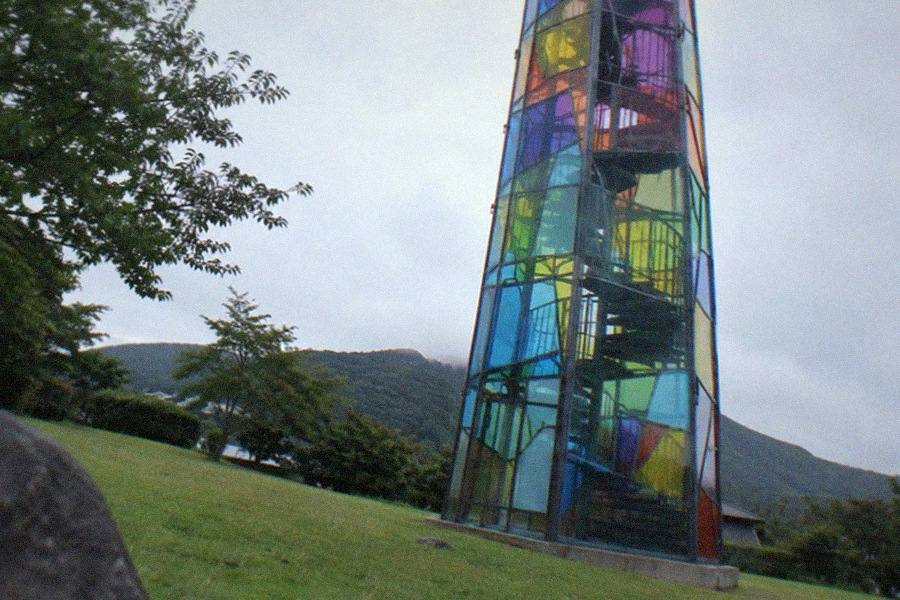
Because the collection lives outdoors, the visit is genuinely different from a Tokyo gallery day. There is no route you must follow and no queue for a room. Visitors drift between works, pause at the foot bath, and let children run on the lawns in a way no indoor museum allows. That shape is also why the timing advice later on this page matters: the grounds reward a slow half day, not a fast hour.
A ticket bought at the entrance on the day costs 2,000 JPY. The online ticket from the museum's own web-ticket page costs 1,800 JPY, so buying ahead saves 200 JPY per person. There is no timed entry and no separate exhibition ticket: one price covers the whole grounds, the indoor galleries and the foot bath.
The two-price structure is the whole pricing story. Pay at the gate and you pay 2,000 JPY. Buy the online ticket before you arrive and you pay 1,800 JPY for exactly the same admission. The difference is small per person but real for a family, and the online route also removes any need to handle the ticket window on arrival. The live ticket listing sells from $11.75, and the booking panel at the top of this page carries that route.
| Ticket | Price |
|---|---|
| Adult, bought at the entrance on the day | 2,000 JPY |
| Adult, online ticket from the museum's own web-ticket page | 1,800 JPY |
| Timed entry | No, entry is untimed |
| Booking channels | The museum's own web-ticket page online, or the entrance on the day |
| Tokyo Museum Grutto Pass | Not covered, the pass does not apply here |
On the Grutto Pass: the 2026 edition does not cover the Hakone Open-Air Museum at all, so it cannot be used here for free entry or for a discount. The pass also excludes both teamLab venues, the Ghibli Museum, the Warner Bros. Studio Tour, Sanrio Puroland, the Railway Museum, SMALL WORLDS and special exhibitions at most facilities, so anyone holding one should not plan a Hakone day around it.
What the single ticket buys is everything on the site. There is no separate charge for the indoor galleries, the exhibitions or the foot bath. Food and the shop cost extra, as they would anywhere, but the admission itself is one flat price whichever way you buy it.
You do not have to book at all: this is a walk-in museum. Tickets are sold at the entrance every day, and the online ticket on the museum's own web-ticket page is simply the cheaper route, not a required one. There are no timed slots, no capacity windows and no sold-out days to plan around.
This places the Hakone Open-Air Museum in the easiest booking category on this site. Compare the venues that cannot be walked into at all: teamLab Planets TOKYO sells advance only with no door sales whatsoever, and the Ghibli Museum in Mitaka sells nothing at its gate either. teamLab Borderless and the Warner Bros. Studio Tour run timed slots that genuinely sell out. Hakone asks for none of that planning.
What a sold-out slot means elsewhere, and why it does not mean anything here: at a timed-slot venue, a sold-out window is a closed door for that hour, and the fix is buying days or weeks ahead. At the Hakone Open-Air Museum there is no such thing as a sold-out day. The grounds hold a walking crowd, entry is untimed, and the museum opens 365 days a year, including every Monday and every public holiday, when the big Ueno nationals such as the Tokyo National Museum are shut.
The one booking decision worth making is the 200 JPY saving. The online ticket costs 1,800 JPY against 2,000 JPY at the gate, so if your date is fixed, buying ahead is the better route and takes minutes. If your date is loose, because Hakone weather decides many itineraries, walking up and paying at the entrance loses you almost nothing and keeps the day flexible.
Peak days still deserve timing sense rather than booking sense. The museum is busiest in the Hakone high seasons and on clear weekend days, and the grounds are large enough that crowding spreads out. Arriving near the 09:00 opening gives the calmest lawns and the emptiest foot bath.
From Shinjuku, allow about two to two and a half hours each way. The usual route is the Odakyu Odawara Line to Hakone-Yumoto, then the Hakone Tozan Railway up the valley to Chokoku-no-Mori station, which is a two-minute walk from the gate. The return fare runs roughly 4,840 to 4,940 JPY without a pass.
Those figures are route-planner approximations, not operator quotations, so treat them as ranges. The shape of the journey is the reliable part. The Romancecar limited express on the Odakyu Odawara Line runs from Shinjuku to Hakone-Yumoto with a reserved-seat surcharge, and from Hakone-Yumoto the two-carriage Tozan Railway climbs the valley in a series of switchbacks, reversing at least once, to a string of small stations of which Chokoku-no-Mori is the one for the museum. The gate is a two-minute walk from the platform.
The Hakone Freepass, 7,100 JPY for two days from Shinjuku with the Romancecar surcharge extra, bundles the local trains, the Tozan Railway, buses, the ropeway and the cruise boat across Lake Ashi. For a day built around the museum plus anything else in Hakone, the pass usually wins once you ride two or three of those modes. The route is not on the JR Pass, so JR holders still pay for the Odakyu segment.
By bus, the H, J or Z Hakone buses stop at Ninotaira-iriguchi, from where the museum is a six-minute walk. The bus is slower from Shinjuku but drops you close, and it suits anyone staying inside Hakone already. The museum's own access page at hakone-oam.or.jp maps both approaches.
One practical note: the last stretch is a mountain railway, and in heavy rain or typhoon weather the Tozan line can suspend sections. On a doubtful-weather day, check the railway's own service news before committing, and treat the bus route as the fallback.
Allow at least half a day on site, and treat the trip as a full day once travel is counted. The grounds are large, the paths are sloped in places, and the indoor galleries and the foot bath reward a slow pace. A rushed visit fights the whole point of the place.
A workable sequence for a day trip: take a morning train from Shinjuku, arrive around late morning, give the grounds three to four hours including the foot bath and lunch, then use the afternoon for one more Hakone stop before the evening train back. Anyone trying to squeeze the museum into two hours between other bookings ends up speed-walking sculpture, which is a waste of a two-hour journey each way.
| At A Glance | Detail |
|---|---|
| Hours | 09:00 to 17:00, every day |
| Closed day | None, open 365 days a year, Mondays and holidays included |
| Area | Ninotaira, Hakone, Kanagawa, outside central Tokyo |
| How far ahead to book | Walk in, no booking needed; the online ticket is optional and cheaper |
| How long to allow | Half a day on site, a full day including travel from Tokyo |
What is nearby: the Tozan Railway continues up the valley toward Gora, the hot-spring quarter, and the Hakone ropeway and Lake Ashi cruise sit further along the same corridor, which is exactly what the Freepass covers. Hakone-Yumoto, one transfer down the line, holds the area's main onsen baths and the old cedar-lined promenade. The museum pairs naturally with any of these, and a museum-plus-onssen day is the classic Hakone formula.
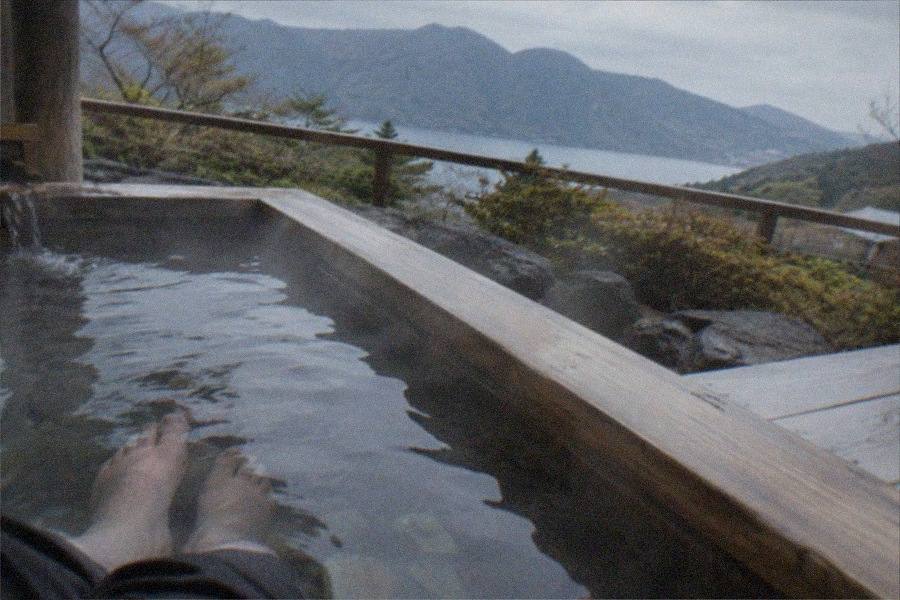
Sturdy shoes beat sandals, because the paths climb and descend, and the mountain weather shifts even inside a single afternoon. A light layer for the altitude is sensible outside summer. The foot bath needs bare feet, so anyone joining it should have socks they can easily remove and put back on.
For most visitors, yes. It carries a 4.9 rating across 117 reviews on its ticket listing, the highest in this lineup, and it suits anyone who wants art without queueing or timed slots. It suits families and anyone pairing Hakone's scenery with culture. It does not suit a traveler who cannot spare a full day.
The case for it rests on three things. First, the walk-in freedom: in a lineup where teamLab Planets TOKYO cannot be bought at the door at all and teamLab Borderless runs timed slots, a museum you can enter any day of the year, at any hour it is open, is a genuine luxury. Second, the setting: no indoor venue in Tokyo, including the Tokyo National Museum with its temple halls and park, puts art in mountain air this way. Third, the price: 1,800 JPY online for several unhurried hours is strong value against what a Tokyo gallery day costs.
The honest case against: the journey. Two to two and a half hours each way from Shinjuku means the museum eats a whole day, and a visitor with only three or four days in Tokyo total is usually better served inside the city. Bad weather also hits an outdoor museum harder than an indoor one, and a rainy Hakone afternoon turns the lawns into a soggy walk with the indoor galleries as the only shelter.
Who it suits best: families with children who cannot manage a quiet gallery, anyone already overnighting in Hakone or Odawara, art lovers who want sculpture at a walking pace, and visitors on a second or third Tokyo trip who have done the indoor circuit. For that reader, the combination of a 4.9 rating, a 365-day calendar, no booking pressure and a hot-spring foot bath in the middle of the collection makes it one of the most reliable day trips this site covers.
A ticket bought at the entrance on the day costs 2,000 JPY. The online ticket from the museum's own web-ticket page costs 1,800 JPY, a saving of 200 JPY per person. One price covers the outdoor grounds, the indoor galleries and the foot bath, with no separate exhibition ticket.
No. This is a walk-in museum with no timed entry and no capacity slots, so there is no sold-out day to plan around. The online ticket is simply the cheaper route at 1,800 JPY against 2,000 JPY at the gate, not a requirement.
Yes. It opens 09:00 to 17:00 every single day of the year, 365 days, including Mondays and national holidays. That makes it a strong option when the big Ueno museums, which close on Mondays, are shut.
From Shinjuku, take the Odakyu Odawara Line to Hakone-Yumoto, then the Hakone Tozan Railway to Chokoku-no-Mori station, a two-minute walk from the gate. Allow about two to two and a half hours each way, with a return fare of roughly 4,840 to 4,940 JPY without a pass. The H, J or Z bus to Ninotaira-iriguchi is an alternative, six minutes away on foot.
No. The 2026 Grutto Pass does not cover the Hakone Open-Air Museum at all, for free entry or for a discount. The pass also excludes both teamLab venues, the Ghibli Museum, the Warner Bros. Studio Tour, Sanrio Puroland, the Railway Museum, SMALL WORLDS and special exhibitions at most facilities.
Allow at least half a day on site, and count the trip as a full day once travel from Tokyo is included. The grounds are large with sloped paths, and the indoor galleries and the foot bath reward a slow pace. Arriving near the 09:00 opening gives the calmest visit.
For most visitors, yes. It carries a 4.9 rating across 117 reviews on its ticket listing, the highest in this site's lineup, and it suits families and anyone pairing Hakone scenery with art. It does not suit a traveler who cannot spare a full day or one facing bad weather on an outdoor collection.
The single admission price covers everything on the site: the outdoor sculpture grounds, the indoor galleries and temporary exhibitions, and the hot-spring foot bath. Food and the museum shop cost extra, but there is no separate exhibition charge and no add-on inside the gate.
Azabudai Hills, Minato
from $20.75per person, live price on the listing Check availability →
Toyosu, Koto
from $24.29per person, live price on the listing Check availability →
Ueno Park, Taito
from $6.65per person, live price on the listing Check availability →