What Are The Must-Sees At The Tokyo National Museum, And How Long Do You Need?
A room-by-room plan for the Tokyo National Museum's Honkan, the gallery closures running through this winter and into spring 2027, what they remove from a visit, and how much time to budget.
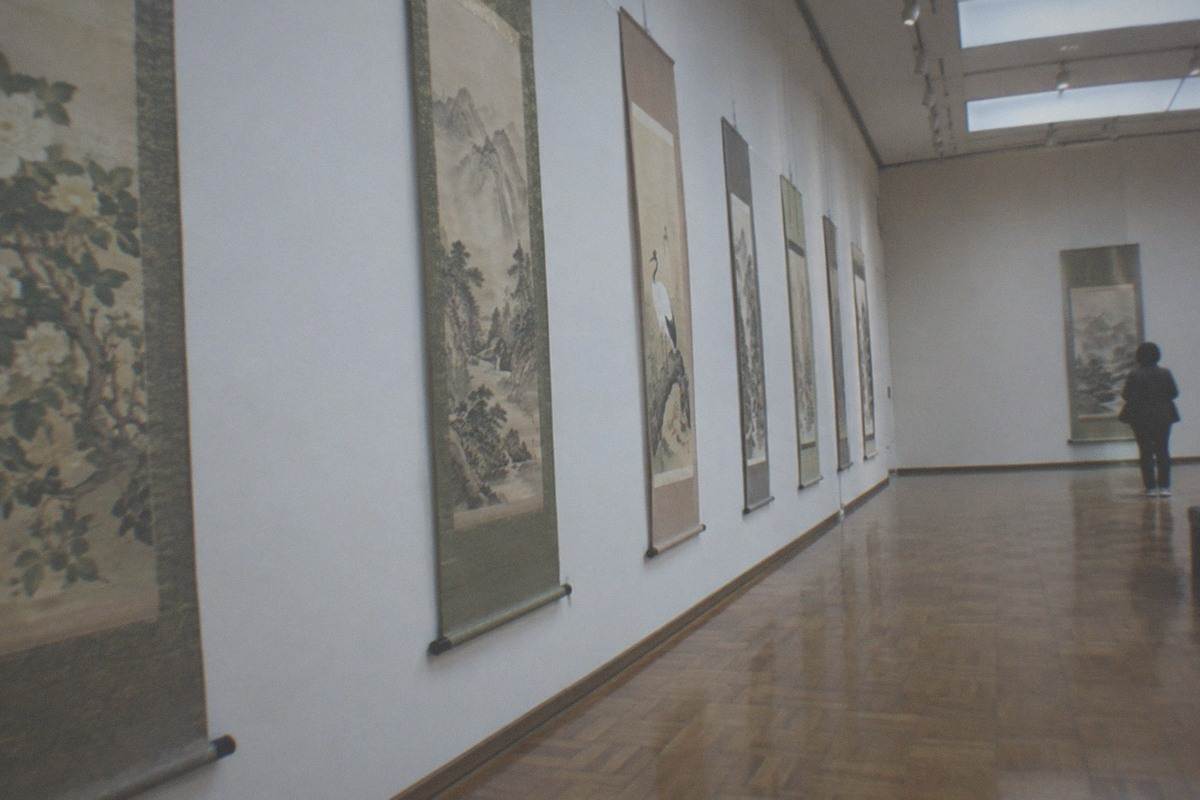
The Tokyo National Museum sits at the north end of Ueno Park, a ten minute walk from JR Ueno Station, and it holds the deepest collection of Japanese art and antiquities anywhere. The 1,000 JPY collection ticket buys the Honkan, the Japanese Gallery, plus the other open gallery buildings on the day. The catch this season is movement: rooms inside the Honkan are closing one after another for refurbishment, the Toyokan shuts completely for a month, and the whole museum goes dark for stretches of December. A visit planned around the wrong week can lose a third of the building. This guide walks the Honkan room by room, names what is shut and when, and answers the time question honestly, because the answer changes depending on which galleries survive your travel dates.
What Are The Must-Sees At The Tokyo National Museum, And How Long Do You Need?
Plan on two to three hours for the Honkan and one more gallery, and treat three hours as the realistic minimum for a first visit that includes the Horyu-ji Treasures Gallery. The collection ticket is 1,000 JPY at the door, the museum is closed Mondays, and through this winter several Honkan rooms are shut for refurbishment, so check the closure list before fixing a date. Visitors with a specific interest regularly stay half a day.
The honest answer to "how long" starts with what the museum actually is. It is not one building but a cluster: the Honkan at the centre, the Toyokan across the courtyard, the Horyu-ji Treasures Gallery to the rear, the Heiseikan to the side, and the Kuroda Memorial Hall by the south gate. The collection ticket admits the open ones. Nobody sees all of them well in two hours, and nobody needs to.
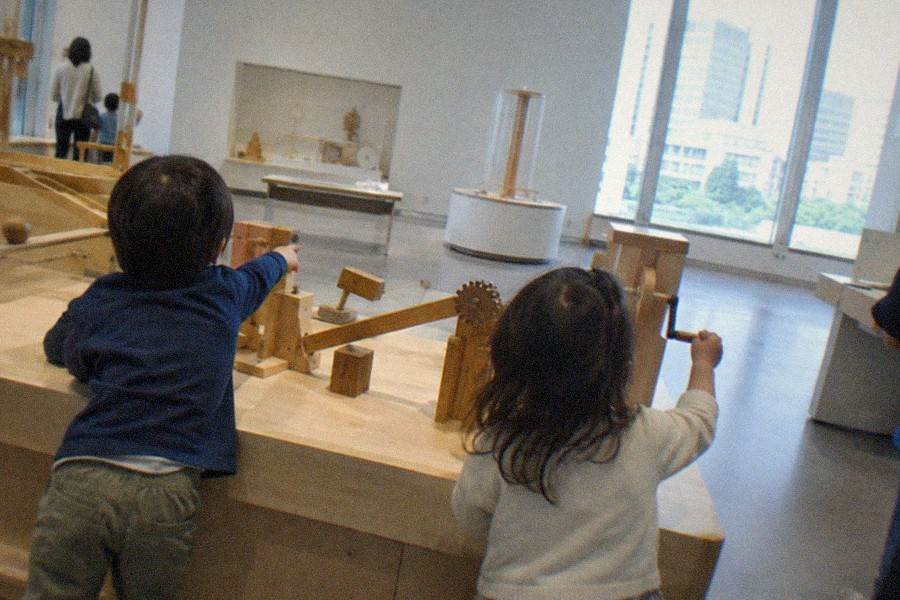
The first visit that works is Honkan plus one. Walk the Honkan's two floors of Japanese art in roughly ninety minutes to two hours, then pick a second building based on time and energy. The Horyu-ji Treasures Gallery is the easiest add, a short walk from the Honkan's rear exit, and it holds the treasures of Horyu-ji temple in a dim, quiet hall that rewards a slow lap. The Toyokan, the Asian gallery, is the other natural pairing, though this winter it is shut for the whole of December, which changes that arithmetic completely.
If you are the kind of visitor who reads every label, budget a full day and accept that you still will not finish. If you are the kind who wants the highlights and a postcard, two hours inside the Honkan plus thirty minutes somewhere else is enough. The museum's own layout supports both, because the Honkan is organised so that a lap of the second floor gives you the sweep of Japanese art history, and the first floor holds themed rooms you can take or leave.
For a day built around Ueno more broadly, the museum pairs naturally with the science museum across the park and the Edo-Tokyo Museum a few stops away in Ryogoku, and the three together make a coherent Tokyo collections route. Each is walk-in, each sells its own ticket, and none demands a dated reservation the way the teamLabs or the Ghibli Museum do.
The Tokyo National Museum collection ticket can be bought online ahead through the museum's ticketing partner, which saves the counter queue on busy spring and autumn days. The door price and the online price are the same 1,000 JPY, so the only thing you are buying is time.
Which Honkan Rooms Are Closed This Winter, And What Does That Remove?
Room 4 in the Honkan is closed from 26 October 2026 to 26 April 2027, Rooms 2 and 3 close from 14 December 2026 to 26 April 2027, and Rooms 17 to 20 plus the entire Toyokan shut from 30 November to 31 December 2026. The whole museum closes on 15 December 2026 and again from 26 to 31 December, so a December visit needs careful date-checking before you commit.
This is the part most guides will not tell you, because most guides were written before the closure schedule was announced. The Honkan is not a static building this season; it is a building under rolling repair, and the rooms being worked on move.
Here is the full closure picture as the museum publishes it, in one table:
| What closes | Dates | Scope | Reopens |
|---|---|---|---|
| Honkan Room 4 | 26 Oct 2026 to 26 Apr 2027 | One room | 27 Apr 2027 |
| Honkan Rooms 2-3 | 14 Dec 2026 to 26 Apr 2027 | Two rooms | 27 Apr 2027 |
| Honkan Rooms 17-20 and the Toyokan | 30 Nov to 31 Dec 2026 | Four rooms plus a whole building | Jan 2027 |
| Whole museum | 15 Dec 2026 | Everything, one day | 16 Dec 2026 |
| Whole museum, partial opening | 22-25 Dec 2026 | Only the Horyu-ji Treasures Gallery and the Kuroda Memorial Hall open | 26 Dec (see next row) |
| Whole museum | 26-31 Dec 2026 | Everything closed | Jan 2027 |
What does that remove from a visit? The Toyokan closure is the biggest single loss, because the Toyokan is the Asian gallery, the building that holds the museum's Chinese, Korean and South and Southeast Asian collections, plus its Egyptian and Near Eastern pieces. For five weeks it is simply gone. Rooms 17 to 20 inside the Honkan sit on the second floor, and Rooms 2 and 3 on the first, so a visit in mid-December or later walks past shuttered doors on both levels.
The December partial opening deserves its own sentence, because it is unusual. From 22 to 25 December, the only things open on the entire site are the Horyu-ji Treasures Gallery and the Kuroda Memorial Hall. If your travel dates pin you to that week and you want Japanese art at a national museum in Tokyo, that pairing is the visit: a single hall of temple treasures and a small memorial gallery, with everything else dark. It is a quiet, oddly good visit if you know in advance, and a bitter disappointment if you do not.
The practical advice is to read the museum's own visit page before you pick your day, since the schedule above is the published one but individual rooms can move: the Tokyo National Museum's official visitor information carries the current list. And if your heart is set on the Toyokan, go before the end of November or after the new year, not in December.
The one date most worth circling works the other way: collection exhibitions are free on 19 May, 21 September and 3 November 2026, three days when the counter queue is longest and the galleries are fullest, but the price is zero.
How Much Time Should Each Part Of The Visit Get?
Give the Honkan ninety minutes to two hours, the Horyu-ji Treasures Gallery forty five minutes, the Toyokan an hour when it is open, and the grounds fifteen minutes on a fine day. That totals roughly three and a half to four hours for a complete visit, or two to three hours if you skip a building or two are shut. The museum rewards slow looking more than route-ticking.
Time at this museum does not divide evenly, and pretending it does produces the classic Ueno mistake: arriving at two in the afternoon, seeing two rooms properly, and leaving with a camera roll and no memory of any single object.
A planning table that matches how visits actually go:
| You want | Go to | Time to set aside | Notes |
|---|---|---|---|
| The sweep of Japanese art history | Honkan, second floor | About an hour | The chronological lap |
| Themed rooms, swords, ceramics | Honkan, first floor | 30-45 min | Pick two or three rooms |
| Temple treasures in silence | Horyu-ji Treasures Gallery | 45 min | Open even 22-25 Dec |
| Asian art beyond Japan | Toyokan | 60 min | Shut 30 Nov to 31 Dec 2026 |
| Sculpture and a sit-down | The grounds and benches | 15-30 min | Best in good weather |
| Everything, thoroughly | Whole site | Half a day | Not possible in December |
The Honkan's second floor is the chronological spine, the rooms that carry the story from prehistory through the Edo period, and it is where the "must-see" label genuinely applies. The first floor works differently, as a set of themed rooms you can enter in any order, and it is where you should be ruthless about skipping whatever does not grab you. This winter, with Room 4 shut from late October and Rooms 2 and 3 following in mid-December, the first floor is also where the closures bite, so plan the second floor first and treat the ground level as flexible.
Families and casual visitors should know the museum is generous with age: anyone under 18 enters the collection exhibitions free, university students pay 500 JPY, and anyone 70 or over enters free with proof of age. A disability certificate admits the holder plus one carer free. That makes the 1,000 JPY figure an adult-only number, and it makes the museum one of the better value entries in Ueno Park for a mixed-age group.
If you have a spare hour after the museum and the weather holds, Ueno Park itself is worth the walk, and the park's other museums are minutes away: our guide to the museums of Ueno Park maps which of them pair well on the same ticket run.
One last timing note before the money section: the last entry window matters as much as the total. Late afternoon visits compress badly, because the themed rooms close on a stagger and the shop empties fast near closing, so treat the morning as the friendlier half of the day for a first visit.
How Much Do Tokyo National Museum Tickets Cost, And Do You Need To Book Ahead?
The collection ticket is 1,000 JPY at the door or online, and no, you do not need to book ahead in normal weeks: this is a walk-in museum with counter sales at the main gate. The online collection ticket exists and costs the same, so it only buys you the queue. Special exhibitions are ticketed separately and those are the ones that can sell out on peak weekends.
The booking axis matters here, because Tokyo splits cleanly into museums you must reserve and museums you can stroll into, and the Tokyo National Museum is firmly in the second group. The teamLabs, the Ghibli Museum and the Warner Bros. studio tour all demand dated advance tickets; the Tokyo National Museum sells its collection ticket at the main-gate counters every day it is open. On a normal Tuesday in February you will walk straight up.
Peak is the exception. The free days pull big crowds, the spring holidays pull school groups, and a blockbuster special exhibition can fill the park. If your date collides with any of those, the online collection ticket is the cheap insurance. For the special exhibitions themselves, which sit in the Heiseikan and are priced and ticketed separately, booking ahead is genuinely worth considering, and our piece on how the special exhibition ticket works breaks down what that add-on costs and when it is worth it.
One more honest note on money: the Tokyo Museum Grutto Pass gives a discount on the collection exhibition here, not free entry, and it excludes special exhibitions. That is the standard shape of the pass, and the full exclusion list, which includes both teamLabs, the Ghibli Museum and the Warner Bros. studio tour, is on the official Grutto Pass site. The pass only pays for itself across many visits, not one, so a single Ueno afternoon does not justify it.
What Is The Best Route Through The Museum If You Only Have Two Hours?
Enter the main gate, buy the collection ticket, go straight up the Honkan stairs to the second floor, and walk the chronological rooms in order for about an hour. Then come down, pick two first-floor themed rooms that survive this winter's closures, and finish with the Horyu-ji Treasures Gallery if twenty minutes remain. Skip the grounds and the shop entirely.
Two hours is a real constraint, not a failure, and the museum is navigable in that window if you refuse to be completist about it. The second floor of the Honkan is the priority because it is the part of the museum no other Tokyo venue duplicates: the long arc of Japanese art, room by room, era by era. Doing it in an hour means moving at a steady walk and stopping three or four times, not twenty.
The first floor is where you cut. Its themed rooms are individually excellent, but with Room 4 shut from late October and Rooms 2 and 3 joining it from mid-December, the surviving rooms are fewer this season anyway. Choose by appetite: the rooms that hold your interest, whether that is swords, ceramics, textiles or sculpture, and walk past the rest without guilt.
The last twenty minutes belong either to the Horyu-ji Treasures Gallery or to nothing. It is the single most atmospheric hall on the site, and it is the one gallery that stays open through the December partial opening, which tells you something about how the museum ranks it. The Toyokan, normally a strong two-hour-route candidate, is off the menu from 30 November to 31 December 2026.
One route note that saves real time: the main gate counters can queue on free days and holiday Mondays-turned-Tuesdays, so on those dates an online collection ticket, same 1,000 JPY, is the difference between starting your two hours at the door or at the stairs.
What Else Should You Know Before You Go?
The museum closes Mondays, with the holiday-shift rule that a Monday national holiday opens the doors and closes the following weekday instead. Bring cash-or-card flexibility, wear shoes you can stand in for two hours, and if December is your month, read the closure table twice before committing to a date. The nearest stations are JR Ueno and Uguisudani, both about a ten minute walk.
The Monday rule catches a lot of visitors, and Ueno makes it worse: the Tokyo National Museum, the National Museum of Western Art and the National Museum of Nature and Science all close on the same day, so a Monday in Ueno Park is three national museums shut at once. The working Monday alternative is Roppongi, where the National Art Center and the Mori Art Museum are both open, though the Mori itself is shut between exhibitions from 24 September to 30 October 2026.
For anyone pairing the visit with a deeper Tokyo history run, the Edo-Tokyo Museum in Ryogoku is the natural second stop, and it has its own story this year: it reopened on 31 March 2026 after roughly four years of renovation, and a lot of older guides still say it is closed. It is open, the permanent exhibition is 800 JPY, and it makes a good contrast with the national collection, showing the city's everyday Edo past rather than its treasures. Our piece on why the Edo-Tokyo Museum was closed covers what the renovation changed.
The Tokyo National Museum's own visitor page is the one link worth bookmarking for the closure list, opening hours and the current special exhibition line-up: official Tokyo National Museum visitor information. This site's coverage, including Tokyo Museums and its full Ueno and city guides, keeps the same closure data in one place for planning.
Whichever of the three museums in this article's ticket lineup fits your dates, all three are walk-in, all three sell online tickets that spare you the counter, and none of them will be sold out from under you the way the timed-slot venues can be. That is the quiet advantage of planning a museum day around the nationals.
Common Questions About The Tokyo National Museum
What Are The Must-Sees At The Tokyo National Museum, And How Long Do You Need?
The Honkan's second-floor chronological galleries are the must-sees, followed by the Horyu-ji Treasures Gallery. Plan two to three hours for a first visit, and add an hour if the Toyokan is open on your date.
Which Honkan rooms are closed this winter?
Room 4 closes 26 October 2026 to 26 April 2027, Rooms 2-3 close 14 December 2026 to 26 April 2027, and Rooms 17-20 close 30 November to 31 December 2026. The Toyokan is fully closed 30 November to 31 December 2026.
Is the whole museum ever closed?
Yes. It closes on 15 December 2026, and from 26 to 31 December 2026. From 22 to 25 December only the Horyu-ji Treasures Gallery and the Kuroda Memorial Hall are open.
Do you need to book Tokyo National Museum tickets in advance?
No, it is a walk-in museum with counter sales at the main gate. The online collection ticket costs the same 1,000 JPY and only saves you the queue on free days and peak weekends.
When is the Tokyo National Museum free?
Collection exhibitions are free on 19 May, 21 September and 3 November 2026. Every other day, anyone under 18, anyone 70 or over, and disability certificate holders plus one carer enter free.
Is the Tokyo National Museum open on Mondays?
No, it closes every Monday. When a Monday is a national holiday it opens that day and closes the following weekday instead.
Does the Grutto Pass get me in free?
No, the pass gives a discount on the collection exhibition only, and it excludes special exhibitions. It also excludes the teamLabs, the Ghibli Museum and the Warner Bros. studio tour entirely.