Why Is The Edo-Tokyo Museum Closed, And Where Do You See Edo Tokyo Instead?
The Edo-Tokyo Museum in Ryogoku is not closed any more: it reopened on 31 March 2026 after a roughly four-year renovation. Here is what happened, what the reopened museum offers, and where else in and around Tokyo you can see the Edo period instead.
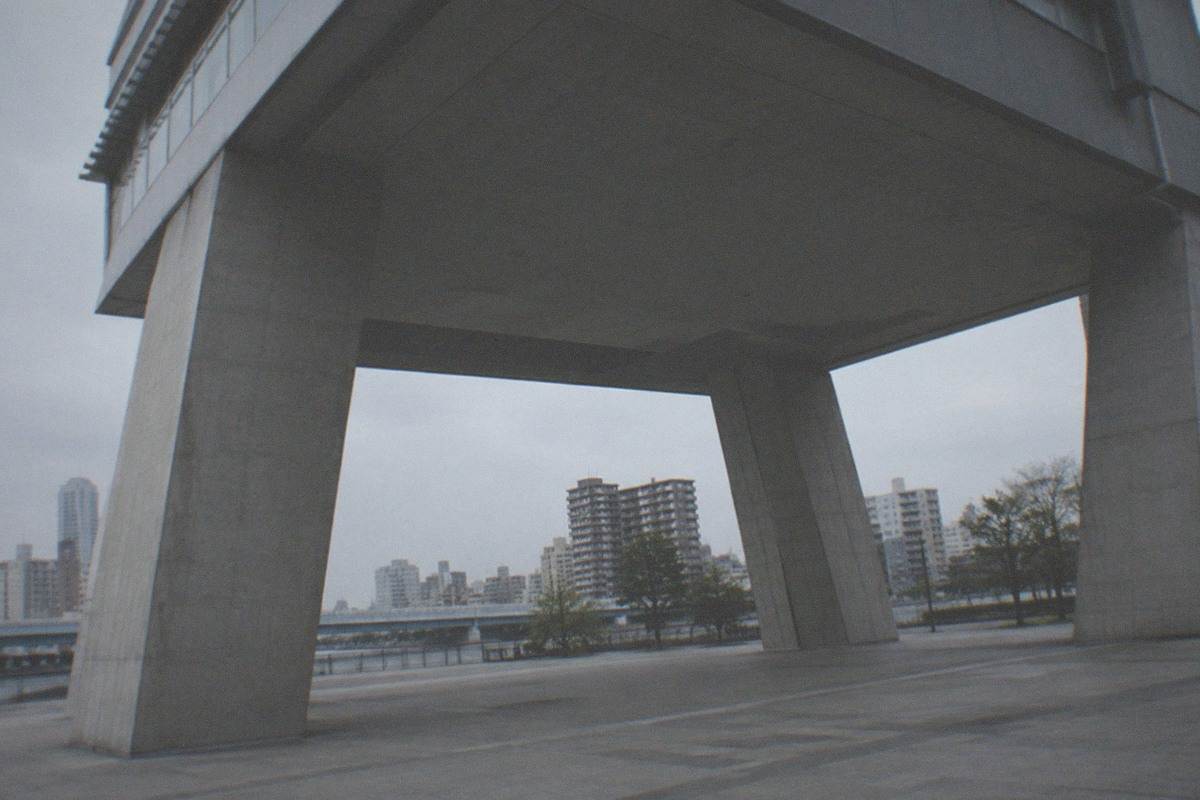
For roughly four years, the single most complete museum of Tokyo's own past stood empty behind hoardings in Ryogoku. The Edo-Tokyo Museum, the building raised on pillars above the Sumida river plain, closed for a wholesale renovation that stretched from 2022 into 2026, and in that time an entire genre of travel advice calcified around one instruction: skip it, it is closed. That instruction is now wrong. The museum reopened on 31 March 2026, and this page exists to correct the record and to answer the question that follows from it: if you want to see Edo Tokyo, the city of shoguns, merchants and wooden bridges, where do you actually go now?
Why Is The Edo-Tokyo Museum Closed, And Where Do You See Edo Tokyo Instead?
The Edo-Tokyo Museum is not closed any more. It reopened on 31 March 2026 after a renovation of roughly four years, and its permanent exhibition, covering Tokyo from the Edo period through the firebombing to the postwar rebuild, is viewable again in Ryogoku. If you were told it was shut, you were told a fact that expired in spring 2026. The alternatives people were redirected to are still worth visiting on their own merits.
The closure was long enough that it outlived most of the internet's attention span. Guidebooks printed early in the closure said closed. Blog posts from the middle years said closed. Forum answers from early 2026 still said closed, sometimes with a confident "for years" attached. The reopening on 31 March 2026 changed the facts on the ground faster than the commentary caught up, and the result is a strange situation: the museum's hardest problem today is not capacity, it is that a large share of travellers believe it no longer exists.
The correction matters because this museum is not a minor stop. It is the one institution built specifically to tell the story of Tokyo itself, from the fishing village of Edo through the shogunate's planned city, the disasters that levelled it twice, and the rebuilds that produced the metropolis you are standing in. No other museum in the city does that arc in one place.
So the honest answer to the question splits in two. Yes, it was closed, for about four years, and everything you read in that window was true when it was written. And no, it is not closed now, and if Edo Tokyo is what you came for, the reopened museum is once again the first place to go, with the alternatives below as complements rather than replacements.
Why Did The Edo-Tokyo Museum Close For Four Years?
The museum closed for a full-scale renovation of the building itself, not for a rehang or a budget cut. The work took roughly four years, far longer than the initial estimates most visitors saw, and the museum stayed shut for the whole period. It reopened on 31 March 2026 with the permanent exhibition running again. The sister site in Koganei, the Edo-Tokyo Open Air Architectural Museum, never closed and was open throughout.
Renovations of large Japanese museums routinely run long, and this one ran longest. The building, with its elevated main hall reached by escalator and its full-scale reconstructions of Edo streetscapes inside, needed work on a scale that could not be done around visitors. Rather than close a wing at a time, the operator shut the whole facility and worked through it.
The four-year gap created a secondary problem that outlasts the hoardings. Every article, video and answer written during the closure recorded a shut museum, and search engines still surface that material. A traveller planning a 2026 or 2027 trip encounters confident claims that the museum is closed, sometimes next to equally confident claims about its reopening, with no obvious way to tell which is current. The reopening date is the tiebreaker: if the source predates 31 March 2026, treat its closure claim as history.
One confusion worth clearing up while we are here: the Edo-Tokyo Museum in Ryogoku and the Edo-Tokyo Open Air Architectural Museum in Koganei are two different sites run by the same foundation. The Koganei museum, a park of relocated and restored buildings from Edo through the Showa era, stayed open the entire time. Its own website carries a stale banner that says otherwise, a leftover from an earlier closure notice, but the site is and was operating. If you read that the "Edo-Tokyo museum is closed" during the renovation years, you may have been reading about either, and only one of them ever was.
If you are planning a history-heavy Tokyo itinerary, the practical takeaway is simple: put Ryogoku back on the list. The museum sits a short walk from Ryogoku station on the JR Sobu and Toei Oedo lines, in the same neighbourhood as the Kokugikan sumo arena, so a single afternoon can pair the reopened museum with the free Sumo Museum inside the arena, with the caveat that the Sumo Museum shuts at weekends and on national holidays. Our guide to the Sumo Museum on non-tournament days covers how that works.
What Can You See At The Reopened Edo-Tokyo Museum?
The permanent exhibition is the draw: a walk-through of Tokyo's history from the Edo period to the present, including full-scale reconstructed streetscapes, the Nihonbashi bridge section, and displays on the fires, earthquakes and air raids that reshaped the city. Entry to the permanent exhibition is 800 yen at the counter. The museum is closed on Mondays, following the standard Japanese convention of opening instead when a Monday is a national holiday.
The museum's approach has always been spatial rather than glass-case. You enter at the top, on a floor that recreates Edo at street level: bridge timbers, shopfronts, a fire watchtower, the everyday apparatus of a city built of wood and governed by festival clocks. From there the exhibition walks you downhill through time, through Meiji westernisation, the great earthquake, the wartime firebombing, and the occupation-era rebuild that produced the Tokyo outside the window.
The permanent exhibition costs 800 yen, and that figure is worth stating plainly because the internet is currently full of worse information about this museum than about almost any other in Tokyo. Special exhibitions are ticketed separately and priced per show. The museum also participates in the Tokyo Museum Grutto Pass, and its permanent exhibition is one of the pass's free-entry listings rather than a discount, which makes it one of the better values on that pass for a history-focused trip. The pass excludes the teamLabs, the Ghibli Museum, Warner Bros. Studio Tour and most special exhibitions, so it is worth reading the exclusions before buying one for a wider itinerary.
Booking is not the obstacle here that it is elsewhere in Tokyo. The Edo-Tokyo Museum is a walk-in venue: you buy at the first-floor counter on the day, or through online sellers in advance. It is not a timed-slot museum, and it does not sell out the way the digital art museums do. The one thing to check before you go is the calendar, since Monday closures and exhibition changeovers can blank out a day.
One warning about tickets, because this is where the reopened museum's online presence gets muddy. The museum's own admission is 800 yen, but the bookable products sold through the live listing are different things: guided experiences and bundled products whose from-price sits far above the door price because they include a guide and more than plain entry. They are legitimate products, and a guided visit suits visitors who want interpretation rather than wandering, but the two numbers are not the same product and should never be compared as if they were. If you only want to see the museum, walk up and pay at the counter.
Where Else Can You See Edo Tokyo In Tokyo?
Three sites in the city proper carry the Edo story while, and since, the Ryogoku museum was shut: the Edo-Tokyo Open Air Architectural Museum in Koganei, a park of restored original buildings, the Fukagawa Edo Museum in Koto, a reconstructed neighbourhood under one roof, and the Sumo Museum in Ryogoku, which is free but closes on Saturdays, Sundays and national holidays. Each covers a different slice of the period, and none duplicates the main museum.
The Open Air Architectural Museum in Koganei Park is the deepest of the three. It is an outdoor collection of relocated buildings, farmhouses, merchant homes, a bathhouse, a police box, spanning Edo through the mid-twentieth century, restored and furnished. You walk through them rather than past them. It costs 400 yen, it is covered by the Grutto Pass with free entry on both permanent and special exhibitions, which is the best value on the pass in this whole lineup, and it is closed on Mondays. Getting there takes roughly 50 to 70 minutes from Shinjuku on the JR Chuo line with a bus transfer at Musashi-Koganei, so it is a half-day trip rather than a quick stop. Our long read on whether the Open Air Architectural Museum is worth it goes through it building by building.
The Fukagawa Edo Museum, a short walk from Kiyosumi-Shirakawa station, takes the opposite approach: instead of real buildings outdoors, it builds one full Edo neighbourhood indoors, complete with a simulated day-night lighting cycle, and lets you walk its lanes. It is small, quiet and, for many visitors, more affecting than the bigger institutions, precisely because of the scale. It closes on the second and fourth Mondays of the month, a schedule that catches out visitors who assume all Monday closures are identical.
The Sumo Museum, inside the Ryogoku Kokugikan, rounds out the set and sits two minutes from the reopened Edo-Tokyo Museum. It is genuinely free, which is rare in Tokyo, with two traps stated plainly: it is closed Saturdays, Sundays and national holidays, exactly the days most visitors are in Ryogoku, and during a Tokyo grand tournament you cannot enter at all without a tournament ticket. On a weekday, though, the pairing is excellent, the Edo-Tokyo Museum in the morning, the Sumo Museum after, all inside one station's walk.
| Venue | What it shows | Entry | Closed | Character |
|---|---|---|---|---|
| Edo-Tokyo Museum, Ryogoku | Tokyo from Edo to postwar, reconstructed streetscapes | 800 yen permanent | Mondays | The full arc, indoors |
| Open Air Architectural Museum, Koganei | Restored original buildings, Edo to Showa | 400 yen | Mondays | Walk-through park, half day out |
| Fukagawa Edo Museum, Koto | One reconstructed Edo neighbourhood, lit day to night | Small admission fee | 2nd and 4th Mondays | Intimate, atmospheric |
| Sumo Museum, Ryogoku | Sumo history, prints and artefacts | Free | Sat, Sun and holidays | Quick visit, weekday only |
What If You Want Edo Tokyo As A Full Day Trip?
Two day trips deliver Edo Japan at full scale: Edo Wonderland Nikko Edomura in Tochigi, a reconstructed Edo town with costumed staff, ninja shows and samurai displays, and, for a calmer version, the Hakone area on the way to the Open-Air Museum. Edo Wonderland costs 5,800 yen for the adult day pass, or 5,000 yen for an afternoon pass, and it is not strictly a museum, it is a theme park built as one.
Edo Wonderland, up in Kinugawa-Onsen near Nikko, is what happens when someone decides the Edo period should be a place you can walk into rather than read about. The whole site is a period town: a checkpoint gate, a ninja theatre, a samurai quarter, streets populated by staff in Edo dress, with scheduled shows through the day. The adult day pass is 5,800 yen, and the afternoon pass, valid from 14:00, is 5,000 yen, which suits visitors combining it with morning Nikko sightseeing. It rates 4.7 across 699 reviews on the live listing.
Honesty requires the label, though. Edo Wonderland is a theme park, not a museum, and anyone expecting curated artefacts will be disappointed while anyone expecting a good day out will not be. It is also a genuinely long trip from Tokyo: a full day door to door, reached by train to Kinugawa-Onsen and a bus, with no verified journey time worth printing beyond "plan the whole day". Families with children tend to get the most from it, and it pairs naturally with the animal-and-history content in our guide to samurai, ninja and sumo museums in Tokyo.
For a quieter day trip that still carries history, the Open Air Architectural Museum covered above is the better fit: closer, cheaper, and built from real buildings rather than reconstructions. The choice between the two is really a choice between authenticity and theatre, and both answers are legitimate.
How Do The Edo Tokyo Options Compare On Price And Booking?
The reopened Edo-Tokyo Museum at 800 yen is the cheapest full experience, the Open Air Architectural Museum at 400 yen is the cheapest walk-through, and Edo Wonderland at 5,800 yen is the most expensive but the only one built as entertainment. None of the city venues require advance booking: all three are walk-in. Only Edo Wonderland rewards buying ahead, and only to skip the ticket window queue, not because it sells out.
Booking is the axis that actually decides a Tokyo museum day, more than price, and the Edo history cluster is refreshingly simple on it. The Edo-Tokyo Museum, the Open Air Architectural Museum and the Fukagawa Edo Museum are all walk-in venues. You pay at a counter on the day. There is no timed slot, no advance-only regime, no monthly ticket release of the kind that governs the Ghibli Museum, and no risk of arriving to find the date sold out.
That simplicity is worth appreciating precisely because the rest of Tokyo's museum landscape is not like it. teamLab Planets sells no door tickets at all. The Ghibli Museum releases tickets on the 10th of each month for the following month, through one named channel, with the buyer's name printed on the ticket. Against that backdrop, a cluster of museums where you can decide on the morning is a genuine convenience, and it makes the Edo history itinerary the most flexible in the city.
| Venue | Entry | Booking | Best paired with |
|---|---|---|---|
| Edo-Tokyo Museum | 800 yen | Walk in, counter on the day | Sumo Museum, same neighbourhood |
| Open Air Architectural Museum | 400 yen | Walk in, or date-specified advance ticket | Koganei Park itself |
| Fukagawa Edo Museum | Small admission fee | Walk in, counter on the day | Kiyosumi gardens nearby |
| Edo Wonderland | 5,800 yen day, 5,000 yen afternoon | Walk in, advance online available | Nikko temples and shrines |
If you want the Edo story with a national-collection depth behind it, the Tokyo National Museum in Ueno adds the artefact side: swords, scrolls, kimono and the material culture of the period the Ryogoku museum presents as streetscape. It costs 1,000 yen for the collection exhibitions, it is closed on Mondays, and its collection exhibitions are free on 19 May, 21 September and 3 November 2026. The two museums are complementary rather than competing, and a visitor with two free days can do both. The history museums in Tokyo guide lays out how they slot together.
The short version of all of this: the question in the title has an expiry date built into it, and that date has passed. The Edo-Tokyo Museum is open, its permanent exhibition is running, and the four years of "it's closed" advice is now a historical artefact itself. Visit Ryogoku first, then spread outward to Koganei, Fukagawa or Nikko depending on how much Edo you want and how far you will travel for it. On Tokyo Museums you will find the full lineup, with booking routes and door prices for every venue covered here.
Common Questions About The Edo-Tokyo Museum
Why Is The Edo-Tokyo Museum Closed, And Where Do You See Edo Tokyo Instead?
It is not closed any more. The Edo-Tokyo Museum reopened on 31 March 2026 after a renovation of roughly four years. To see Edo Tokyo, visit the reopened museum in Ryogoku first, then the Edo-Tokyo Open Air Architectural Museum in Koganei, the Fukagawa Edo Museum, or Edo Wonderland in Nikko as day trips.
When Did The Edo-Tokyo Museum Reopen?
The museum reopened on 31 March 2026, after being shut for roughly four years of renovation work. Any guide telling you it is closed is drawing on information from before that date.
How Much Does The Edo-Tokyo Museum Cost?
The permanent exhibition costs 800 yen, bought at the first-floor counter on the day. Special exhibitions are ticketed separately and priced per show. Bookable guided products sold online are different products that include more than admission, and their price is not the museum's entry fee.
Is The Edo-Tokyo Museum Closed On Mondays?
Yes, the museum closes on Mondays, and it follows the standard Japanese convention: when a Monday is a national holiday it opens that day and closes the following weekday instead. Check the museum's own calendar before a Monday visit.
Is The Edo-Tokyo Open Air Architectural Museum Also Closed?
No. The Open Air Architectural Museum in Koganei never closed during the Ryogoku renovation, despite a stale banner on its own website that says otherwise. It is open, it costs 400 yen, and it closes on Mondays.
Do You Need To Book The Edo-Tokyo Museum In Advance?
No. It is a walk-in venue: you buy at the counter on the day. Advance tickets exist through online sellers, but there is no timed-slot regime and no sell-out risk comparable to the teamLab or Ghibli ticket systems.
What Is The Best Alternative If The Edo-Tokyo Museum Is Busy?
The Fukagawa Edo Museum in Koto is the quietest option, a reconstructed Edo neighbourhood under one roof, closed on the second and fourth Mondays. The Open Air Architectural Museum in Koganei is the roomiest, with restored buildings spread through a park.
Is Edo Wonderland Nikko Edomura A Museum?
Not strictly. It is a theme park built as a reconstructed Edo town, with costumed staff, ninja shows and samurai displays. The adult day pass is 5,800 yen, or 5,000 yen for an afternoon pass, and it makes a full day trip from Tokyo.