Is The Sumo Museum At Ryogoku Worth A Visit Outside Tournament Season?
The Sumo Museum inside Ryogoku Kokugikan is free, tiny and open only on weekdays. Here is what a non-tournament visit to Ryogoku actually gets you, and how to build a full day around it.
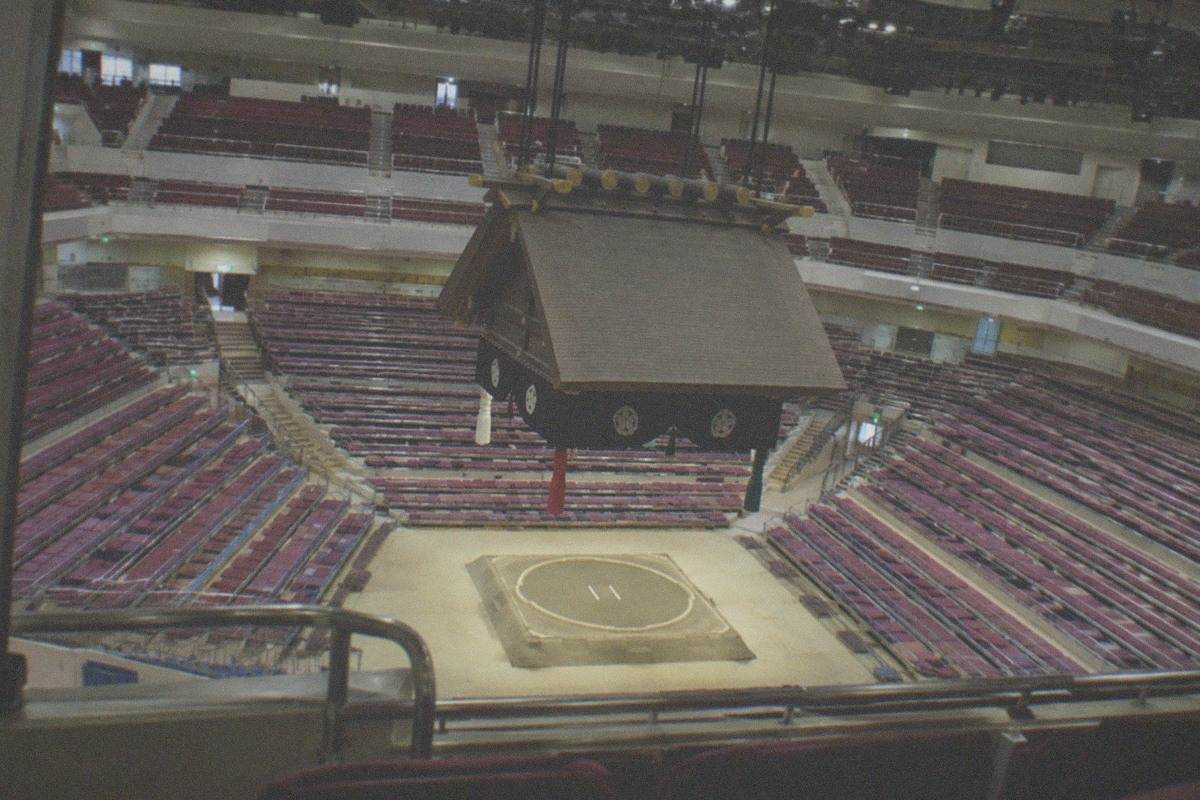
Ryogoku is Tokyo's sumo district, and for most of the year the tournaments are somewhere else. The Kokugikan arena hosts only three basho annually, which leaves a lot of weeks when the neighbourhood runs on training stables, chanko restaurants and one small, free museum inside the arena itself. That museum is the question here. It costs nothing, it sits two minutes from the station, and it keeps a set of opening rules almost no visitor expects.
Is The Sumo Museum At Ryogoku Worth A Visit Outside Tournament Season?
Yes, as a free twenty-minute stop inside a bigger Ryogoku day, not as a destination on its own. The Sumo Museum is genuinely free, it sits on the first floor of the Kokugikan at 1-3-28 Yokoami, and it is open on ordinary weekdays only, closed Saturdays, Sundays and national holidays. Outside a tournament you get the room to yourself, and the neighbourhood supplies the rest of the visit.
The honest framing is that the Sumo Museum is a single room, and treating it as a standalone attraction will disappoint anyone who has travelled across the city for it. What makes it work is context. Ryogoku on a quiet Tuesday is one of the few central Tokyo districts where a national sport still visibly runs its daily life: wrestlers cross the street in training wear, the stables open their gates for morning practice, and the Kokugikan stands empty and walkable in a way it never is during a basho.
The other reason the question is worth asking carefully is the calendar. Most visitors reach Ryogoku at the weekend, which is precisely when the museum is shut. The free entry is real, the closing rules are the trap, and the rest of this page works through both, then builds the weekday itinerary that makes the trip add up. The Japan Sumo Association publishes the museum's terms on its own Kokugikan and Sumo Museum overview page.
If you are building that bigger day around history and culture, these three ticketed venues are the natural anchors:
What Exactly Is The Sumo Museum?
The Sumo Museum is a small exhibition room on the first floor of the Ryogoku Kokugikan, the arena that hosts Tokyo's Grand Sumo tournaments. It preserves and displays material connected to the history of professional sumo, and it is run by the Japan Sumo Association rather than by a city museum body. Entry costs nothing and there is no ticket in normal weeks.
It helps to set expectations before you go. This is not the scale of museum most people picture when they hear the word. It is a room, attached to the arena that hosts the sport's biggest events, and its job is closer to a hall of fame or a memorial collection than to a gallery you wander for hours. Visitors who arrive knowing that tend to enjoy it. Visitors who arrive expecting an interactive museum with floors of exhibits tend to feel short-changed, and the reviews that call the museum underwhelming almost always come from that mismatch.
What the room does offer is a direct line to the sport's past and present. Displays rotate, and the museum's connection to the Kokugikan means the material on show sits a few metres from where the tournaments themselves are held. On a non-tournament weekday the arena around it is quiet, so the visit feels less like a tourist attraction and more like being let into the building's memory. Twenty minutes is a realistic amount of time to spend inside.
Here is the at-a-glance picture for planning:
| Question | Answer |
|---|---|
| What is it? | A single-room sumo history museum inside Ryogoku Kokugikan |
| Where exactly? | Ryogoku Kokugikan 1F, 1-3-28 Yokoami, Sumida-ku |
| Admission | Free, no ticket in normal weeks |
| Nearest station | JR Sobu Line Ryogoku, West Exit, 2 minute walk |
| Open | Weekdays only, closed Saturdays, Sundays and national holidays |
| Tournament weeks | You need a Grand Sumo viewing ticket to enter |
| Time needed | Around 20 minutes |
The venue is not covered by any museum pass, and it does not need one. There is nothing to buy.
Is The Sumo Museum Really Free?
Yes, genuinely free, and it is one of only two museums in this entire lineup that can say so without a qualifier on the price itself. There is no ticket, no counter and no suggested fee. The catches sit on the calendar rather than the wallet: it closes at weekends and on national holidays, and during a Tokyo tournament the only way in is a Grand Sumo viewing ticket.
Tokyo is a city where "free museum" is usually a half-truth. Most museums that get described that way are free to walk into but charge for every exhibition, or free only for children, or free one Sunday a month. The Sumo Museum is the plain version: no admission charge at all, published by the Japan Sumo Association itself. The only other genuinely free museum in the lineup is the Meguro Parasitological Museum, which has its own quirk, closing both Monday and Tuesday, and the pair of them are covered in more depth in our guide to Tokyo's free museums.
The free entry has one important edge case, and it is the one that gives this page its title. When a Tokyo basho is running at the Kokugikan, the arena is a ticketed venue and the museum inside it is reachable only with a tournament viewing ticket for that day. So the museum is free in exactly the weeks this page is about, the quiet ones, and effectively bundled into a paid tournament ticket during the three Tokyo basho each year. If your aim is the museum rather than the sumo, a non-tournament weekday is when the free entry actually works.
There is a second, quieter catch worth naming: donations. The museum makes nothing from entry, and the sport's ecosystem around it, the stables, the restaurants, the shops along the station approach, is what keeps Ryogoku running. Spending an hour and some money in the neighbourhood is the honest way to visit a free museum.
When Is The Sumo Museum Closed?
The Sumo Museum closes every Saturday, every Sunday and every national holiday, which is the opposite of almost every other museum in Tokyo. On ordinary weekdays it opens with the Kokugikan and there is no ticket, no queue and no booking. During a Tokyo tournament the whole building goes over to the basho, and entry needs a Grand Sumo viewing ticket sold by the Japan Sumo Association.
This closing pattern is the single most important fact on the page, because it inverts the usual Tokyo museum logic. Tokyo's big nationals close on Mondays, so a weekend visitor with a museum list is pushed toward the places that stay open, and Ryogoku is a classic weekend destination. The Sumo Museum quietly opts out of all of that. Arrive on a Saturday, the day the neighbourhood feels most alive with visitors, and the door is shut.
The weekday rule also interacts with the tournament calendar in a way worth checking before you travel. Tokyo basho weeks transform the building entirely, and the dates move each year, so the practical advice is to check the association's own schedule for the season you are visiting. A weekday outside those weeks is the sweet spot: the museum open, the arena calm, and the whole district at working pace.
For planning, this is how the museum's calendar behaves compared with its neighbours:
| Venue in Ryogoku | Admission | Closed | Book ahead? |
|---|---|---|---|
| The Sumo Museum | Free | Saturdays, Sundays, national holidays | No ticket at all in normal weeks |
| Edo-Tokyo Museum | 800 JPY permanent exhibition | Monday | Walk in |
| The Sumida Hokusai Museum | 400 JPY permanent collection | Monday | Walk in |
Notice the pattern: the two ticketed museums in the district close on Monday, and the free one closes on the weekend. A Tuesday, Wednesday or Thursday is the only window in which all three are open, and that is the day to build your Ryogoku itinerary around.
Since the museum itself costs nothing, the one ticket genuinely worth securing for this itinerary is the Edo-Tokyo Museum, the reopened anchor of the district. Should you sort your ticket before you go?
What Can You Actually See Inside?
The Sumo Museum displays historical material connected to professional sumo: items from the sport's past, portraits and records of past champions, and objects tied to the Kokugikan and the Japan Sumo Association. It is one room, the displays rotate, and there is no permanent-collection floor plan of the kind a large museum publishes. Expect a focused twenty minutes, not an afternoon.
The museum's strength is intimacy rather than scale. Because it sits inside the sport's main Tokyo venue, the material on display sits closest to where it belongs, and the room reads as the arena's own record of itself rather than as a detached institution. Champions of the sport, its history and its artefacts are the theme, and the rotation means a repeat visit does not necessarily repeat the same display.
Two practical notes shape the visit. First, the room is small enough that a tour group changes the atmosphere completely, and on weekday mornings it is often close to empty, which is the best version of it. Second, photography and etiquette rules inside are set by the association, and the quiet, formal tone of the space is part of the point. This is a memorial room for a living sport, and it behaves like one.
Visitors who want sumo content at greater length usually leave satisfied but hungry for more, and the neighbourhood answers that. The Kokugikan's own presence, the stables in the surrounding streets and the sumo-themed restaurants near the station extend the theme far beyond the museum's four walls. The museum is the anchor, not the whole visit.
What Else Is In Ryogoku On A Non-Tournament Day?
Plenty, and this is where the trip earns its travel time. The Edo-Tokyo Museum sits a short walk from the Kokugikan and reopened on 31 March 2026 after a roughly four-year renovation. The Sumida Hokusai Museum is also in the district, Ryogoku Edo NOREN serves food inside a former train station building, and Ekoin Temple anchors the quiet streets between them. A weekday in Ryogoku is a full museum day.
The Edo-Tokyo Museum is the headline pairing. It tells the story of the city itself, from Edo to modern Tokyo, and for roughly four years it was the museum most guides wrongly told you was closed. It reopened on 31 March 2026, and a lot of published advice has not caught up, a saga covered in detail in our piece on why the Edo-Tokyo Museum was closed. Permanent exhibition admission is 800 JPY, it is a walk-in venue, and its location in the same district as the Kokugikan makes the two a natural single-morning pairing: the free room first, then the big museum, with lunch between.
The Sumida Hokusai Museum completes the set. Its permanent collection admission is 400 JPY, it closes on Mondays like the Edo-Tokyo Museum, and it sits within the same walkable district. Ryogoku Edo NOREN, a food hall inside the renovated former station building, reproduces Edo-period streetscapes and is the obvious lunch stop, while Ekoin Temple, a few minutes south, is where the sumo world itself goes to remember its own. The official Edo-Tokyo Museum visitor guide confirms current opening details.
The Edo-Tokyo Museum deserves the largest block of your day, and its own page on Tokyo Museums covers it in full. One caution on tickets: the museum's own door price is 800 JPY for the permanent exhibition, and any third-party product sold for it is a different, bundled experience, not the admission ticket, so do not compare the two numbers without checking what the product includes.
Can You See Sumo Wrestlers In Ryogoku Without A Tournament?
Yes, with limits. Outside basho weeks, Ryogoku's stables continue daily training in the neighbourhood around the Kokugikan, and wrestlers live, eat and move through the same streets, but stable practice viewing is governed by each stable's own rules and etiquette, not by any museum ticket. The reliable, bookable way to learn the rikishi's daily life is a guided walk that covers the district itself.
This is where a non-tournament visit can actually outperform a tournament one. During a basho the district belongs to the ticketed event; in ordinary weeks it belongs to the daily training routine that produces the sport. Wrestlers from the local stables cross the streets in training wear, the chanko restaurants fill at lunch, and the whole neighbourhood operates as the sport's backstage. Watching that respectfully, from public streets and without intruding on stable gates, is part of the experience.
The structured option is a walking tour. The samurai, ninja and sumo museum guide covers the history side of the theme, and for the sumo district itself there is a pay-what-you-want walk that meets at JR Ryogoku Station's West Exit, the same exit you use for the Kokugikan, and routes past the arena, the Sumo Museum, Ryogoku Edo NOREN, Ekoin Temple and the sumo outfitters along the way. It is run through GuruWalk, the free-tour platform where you book a slot for nothing and tip the guide at the end.
The walk is called Sumo Beyond the Ring: The Daily Life of a Rikishi in Ryogoku, an hour-and-a-half guided tour of the district's daily sumo life, and it pairs naturally with the museum because the route passes the Kokugikan itself. Book the free slot on GuruWalk's Ryogoku sumo walk page, pay nothing up front, and tip the guide what the walk was worth.
How Do You Get To The Sumo Museum?
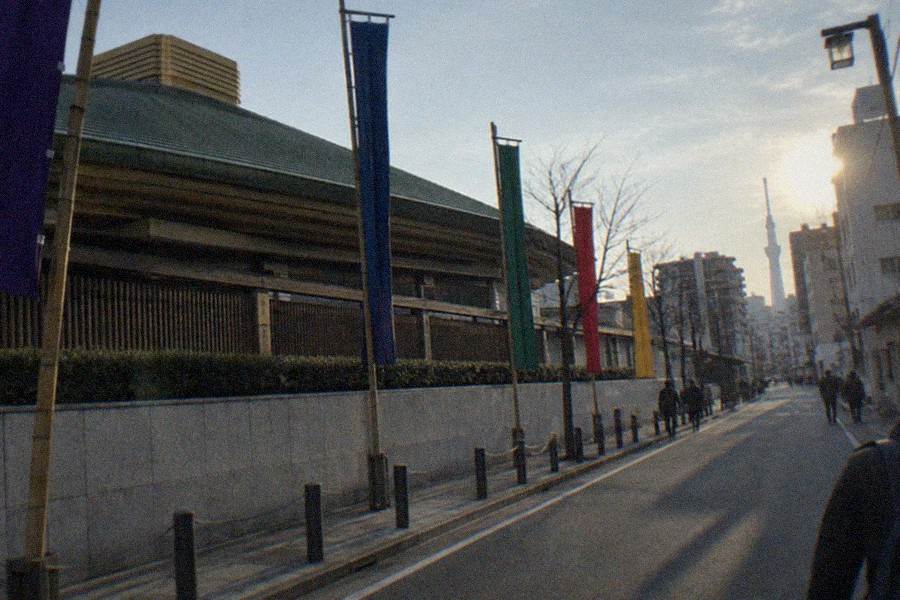
Take the JR Sobu Line to Ryogoku and leave by the West Exit, which is a two-minute walk from the Kokugikan's first floor, where the museum sits. The Toei Oedo Line also serves Ryogoku station. The full address is Ryogoku Kokugikan 1F, 1-3-28 Yokoami, Sumida-ku, and on a non-tournament weekday you can walk straight up to the building.
The West Exit matters more than it sounds. Ryogoku station has two distinct halves, and the Kokugikan side is the west one, where the sumo statue stands and the station approach lined with chanko restaurants begins. Coming out the wrong side adds confusion rather than distance, so follow the signs for the Kokugikan from the platform and you will be at the arena entrance within two minutes.
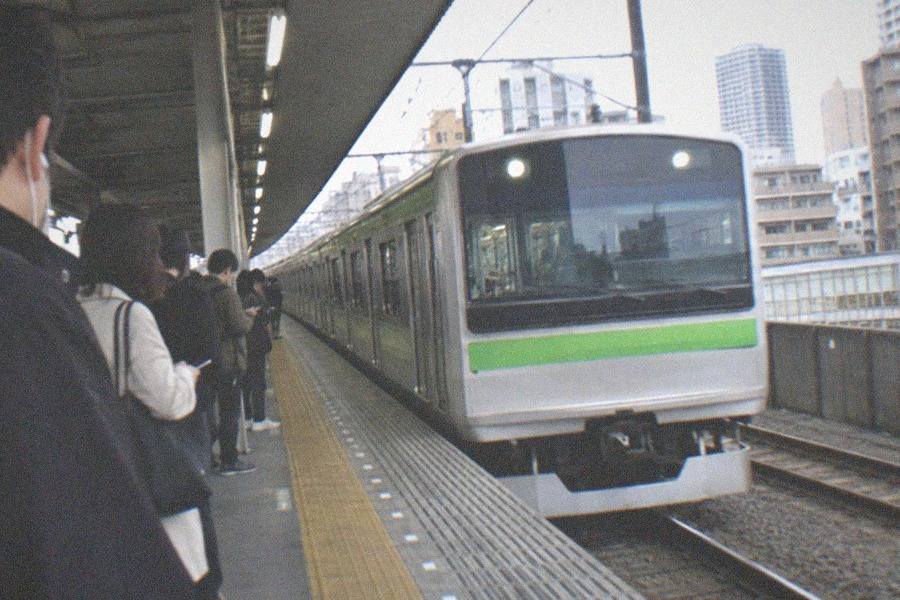
From central Tokyo the journey is simple: the JR Sobu Line runs direct from stations including Akihabara and Tokyo's eastern corridor, and the Toei Oedo Line provides the subway alternative. Allow a relaxed half day for the district as a whole. The museum itself needs twenty minutes, the Edo-Tokyo Museum two to three hours, and the walk between them passes through the streets that give Ryogoku its character.
What Does A Non-Tournament Ryogoku Day Look Like?
A workable weekday plan runs the free Sumo Museum first thing, the Edo-Tokyo Museum through the middle of the day, lunch at Ryogoku Edo NOREN, and the Sumida Hokusai Museum in the afternoon, with the guided sumo walk slotting in wherever it is scheduled that day. Total ticket spend for the three museums is 1,200 JPY, and the whole route is on foot within one district.
The order matters less than the day of the week. Any Tuesday to Thursday outside a basho week gives you every venue in the district open at once, which is rarer than it sounds once you fold in the weekend closures. Here is how the pieces compare:
| Stop | Cost | Time needed | Notes |
|---|---|---|---|
| The Sumo Museum | Free | About 20 minutes | Weekdays only, no ticket |
| Edo-Tokyo Museum | 800 JPY | 2 to 3 hours | Reopened 31 March 2026 |
| Ryogoku Edo NOREN | Pay per dish | Lunch stop | Edo-street food hall |
| Sumida Hokusai Museum | 400 JPY | About 1 hour | Permanent collection |
| Sumo district walk | Pay what you want | An hour and a half | Meets at Ryogoku West Exit |
One extension is worth naming for visitors who want more history after Ryogoku. The Samurai Ninja Museum in Asakusa is a short train ride away across the river, it runs timed slots that you book ahead, and its own page covers what the experience includes, a guided tour with armour try-on and shuriken throwing from $20. It is a different register of attraction, more experience than collection, but it pairs with the sumo theme for families especially.
If you are choosing between Ryogoku and another district for a single museum day, the honest comparison is this: few other Tokyo neighbourhoods put a free museum, two ticketed museums and a living sports culture inside one walkable station radius. Ueno has more museums in absolute number, covered in our Ueno Park museums guide, but Ryogoku on a quiet weekday is the more distinctive morning.
For a broader shortlist across the city, these three ticketed venues are the ones most often combined with a Ryogoku history day:
Common Questions About The Sumo Museum At Ryogoku
Is The Sumo Museum At Ryogoku Worth A Visit Outside Tournament Season?
Yes, as a free twenty-minute stop inside a bigger Ryogoku day. The museum is genuinely free, it sits two minutes from JR Ryogoku's West Exit, and on a non-tournament weekday you often have the room nearly to yourself. It is not a destination on its own, but paired with the Edo-Tokyo Museum and the district's sumo streets it anchors a strong half day.
Is The Sumo Museum Free?
Yes, genuinely free, with no ticket and no counter in normal weeks. It is one of only two museums in this site's lineup that charges nothing at all. The catch is on the calendar: it closes Saturdays, Sundays and national holidays, and during a Tokyo tournament you need a Grand Sumo viewing ticket to enter the building.
When Is The Sumo Museum Closed?
Every Saturday, every Sunday and every national holiday. That is the opposite of most Tokyo museums, which close on Mondays. The only reliable days to visit are ordinary weekdays outside tournament weeks, so check the Japan Sumo Association's schedule for the basho dates before you travel.
Can You Visit The Sumo Museum During A Tournament?
Only with a ticket to the tournament itself. During a Tokyo basho the Kokugikan becomes a ticketed venue, and the museum inside it is reachable only with a Grand Sumo viewing ticket for that day, sold by the Japan Sumo Association. There is no separate museum admission during those weeks.
How Long Does The Sumo Museum Take?
About twenty minutes. It is a single exhibition room on the first floor of the Kokugikan, with rotating displays connected to the history of professional sumo. Plan the rest of your morning around it, most naturally the Edo-Tokyo Museum a short walk away.
What Else Should You See In Ryogoku On A Weekday?
The Edo-Tokyo Museum, which reopened on 31 March 2026 after a roughly four-year renovation and charges 800 JPY for the permanent exhibition, plus the Sumida Hokusai Museum at 400 JPY, the Ryogoku Edo NOREN food hall and Ekoin Temple. All sit within one walkable district, and all are open on ordinary weekdays.
How Do You Get To The Sumo Museum?
Take the JR Sobu Line or the Toei Oedo Line to Ryogoku and leave by the West Exit. The Kokugikan is a two-minute walk from there, and the museum sits on its first floor at 1-3-28 Yokoami, Sumida-ku.
Is There A Guided Tour Of The Ryogoku Sumo District?
Yes. A pay-what-you-want walking tour called Sumo Beyond the Ring meets in front of JR Ryogoku Station's West Exit and covers the Kokugikan, the Sumo Museum, Ryogoku Edo NOREN, Ekoin Temple and the sumo outfitters. You book the free slot through GuruWalk and tip the guide at the end.