Samurai Ninja Museum Tokyo
Asakusa, Taito
from $20per person, live price on the listing Check availability →
Opens the official listing with live dates and prices. Book there; nothing is charged on this site.
The Edo-Tokyo Museum reopened on 31 March 2026 after a renovation of roughly four years, and most guides on the internet still say it is closed. It stands in Ryogoku, the sumo district of Sumida, at 1-4-1 Yokoami, a short walk from Ryogoku Station on the JR Sobu Line and the Toei Oedo Line. Inside, the permanent exhibition traces how a fishing village called Edo became the metropolis of Tokyo, with scale models, original objects and reconstructed streetscapes carrying the story. Admission is 800 JPY for the permanent exhibition, junior high school students and younger enter free, and you simply walk in: no timed slot, no advance booking requirement, tickets at the first-floor counter on the day.
Adult admission is 800 JPY for the permanent exhibition, bought at the first-floor ticket counter on the day or online through Webket, ARTPASS and general play guides. Concessions apply by age: 400 JPY for anyone 65 or over, 480 JPY for university students, 300 JPY for high school students, and junior high school students and younger enter free.
That 800 JPY figure covers the permanent exhibition. Special exhibitions are ticketed separately, and their prices change with each show, so the current figure for whatever is running is on the museum's own visitor guide page. There is no single combined price this site can state for special exhibitions, because there is no stable one to state.
Last admission is 30 minutes before closing, which matters more here than at most museums: the permanent exhibition is large, and arriving in the last hour means seeing it at a run. Hours are 09:30 to 17:30, with Saturdays running until 19:30, so a Saturday late afternoon is the way to fit the museum around other plans.
| Ticket | Price |
|---|---|
| Adult, permanent exhibition | 800 JPY |
| Anyone 65 or over | 400 JPY |
| University students | 480 JPY |
| High school students | 300 JPY |
| Junior high school students and younger | Free |
| Last admission | 30 minutes before closing |
If you would rather not queue at the counter, the booking panel at the top of this page handles the online route. That is the only nudge you will get here: at 800 JPY this is one of the cheaper major museums in Tokyo, and the price is the same whichever way you buy.
You can walk in. The Edo-Tokyo Museum sells tickets at the first-floor counter on the day with no timed slot and no advance booking requirement, so a sold-out slot is not a risk here. Online channels exist through Webket, the museum itself, ARTPASS and general play guides if you want to skip the counter queue.
This puts the museum in the same walk-in group as the Tokyo National Museum and the National Museum of Nature and Science, and in deliberate contrast to the venues that genuinely need planning. teamLab Borderless runs timed slots that sell ahead, teamLab Planets TOKYO sells no tickets at the door at all, and the Ghibli Museum sells named advance tickets only through Lawson Ticket. None of that machinery applies here. You decide on the train, you arrive, you buy.
The one thing worth booking is not the ticket but the day. The museum closes on Mondays, and when a Monday is a national holiday it opens and closes the following weekday instead. It also closes over the year-end and New Year period. Check those two rules against your itinerary before you set out, because a shut door is the only real failure mode this museum has.
| Hours | 09:30-17:30; Saturdays 09:30-19:30 |
|---|---|
| Closed | Monday; when Monday is a national holiday, the following weekday. Also closed over the year-end and New Year period |
| Area | Ryogoku, Sumida |
| How far ahead to book | Walk in, no advance booking needed; first-floor counter on the day |
| How long to allow | Check the museum's own site |
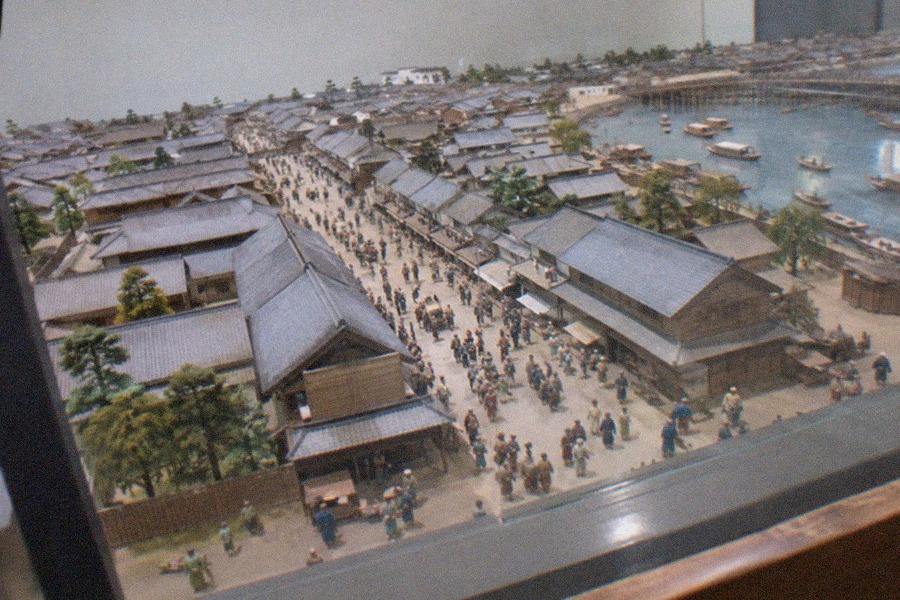
The Edo-Tokyo Museum tells the story of Tokyo from the Edo period to the modern city, through scale models, original objects and reconstructed streetscapes. It reopened on 31 March 2026 after a renovation of roughly four years, so most older guides still describe a building that was shut.
The theme is history, and the museum's whole reason for existing is the transformation of Edo into Tokyo: the shogun's city, the fires and festivals of the Edo townsfolk, the opening of the port, the earthquake, the air raids, and the rebuilding into the capital that exists now. The permanent exhibition carries that arc through original objects and full-scale recreations rather than wall text alone, which is why it holds families with small children and serious history readers in the same rooms.
The reopening is the fact to hold onto when reading anything else about this museum. Guides published before 2026, and several published after, say it is closed for renovation. It is not. Its sister site, the Edo-Tokyo Open Air Architectural Museum in Koganei Park, never closed and is open now; the two share a mission but sit at opposite ends of the city, one indoors in Ryogoku, one among restored buildings in a park in western Tokyo.
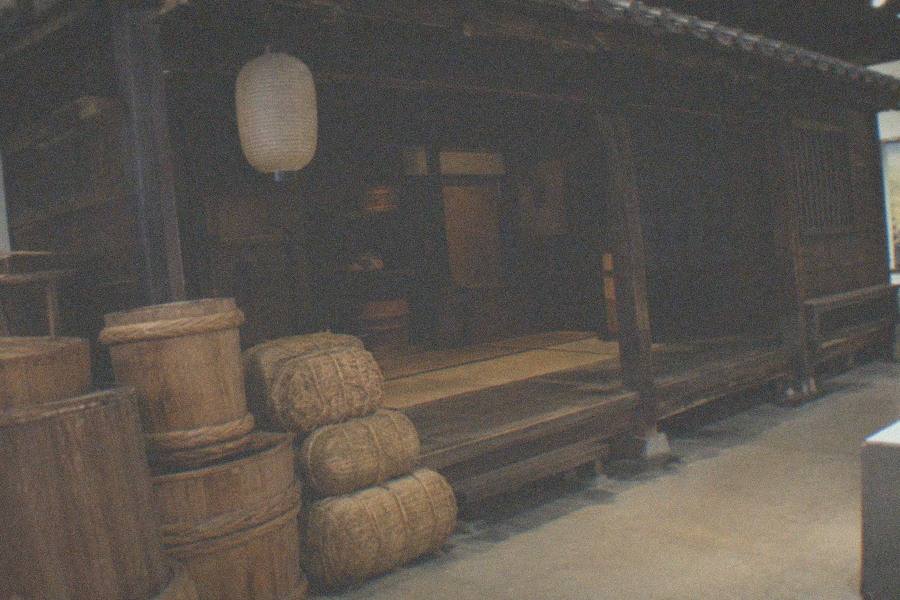
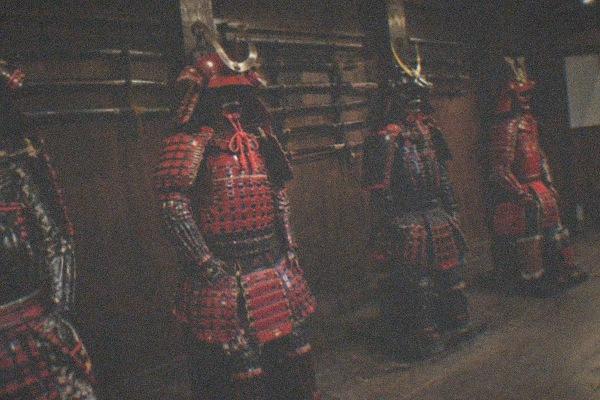
For contrast on the same trip, the hands-on history route runs through the Samurai Ninja Museum Tokyo in Asakusa, where the ticket covers armour try-ons and shuriken throwing rather than galleries. The two are different animals: one is a metropolitan museum of urban history, the other an experience venue. Visitors with a free evening can also pair this museum with a teamLab show, since teamLab Borderless runs until late at Azabudai Hills.
The museum stands at 1-4-1 Yokoami, Sumida-ku, in Ryogoku, a short walk from Ryogoku Station on the JR Sobu Line and the Toei Oedo Line. It shares the neighbourhood with the Ryogoku Kokugikan sumo arena and The Sumida Hokusai Museum, both within easy walking distance.
Ryogoku is not a district most visitors pass through by accident, which is exactly why it rewards a deliberate half day. The Kokugikan is the home of Tokyo's Grand Sumo tournaments, and The Sumo Museum inside it is free to enter in normal weeks, though it is shut on Saturdays, Sundays and national holidays, and during a tournament you need a Grand Sumo viewing ticket to reach it. The Sumida Hokusai Museum, a few minutes away, costs 400 JPY for its permanent collection and closes on Mondays like the Edo-Tokyo Museum, so the two pair naturally on any day except Monday.
Sequencing a visit is simple. The Edo-Tokyo Museum is the anchor and the biggest time commitment; the Hokusai museum is compact; the Kokugikan depends entirely on whether sumo is in town. Cross the river to Asakusa afterwards if you have energy left, or head the other way to Kiyosumi-Shirakawa for the Museum of Contemporary Art Tokyo, whose MOT Collection costs 500 JPY and is also covered by the Grutto Pass.
One caution on timing: because the museum closes Mondays and follows the national-holiday shift, a visitor building a Ryogoku day around a long weekend can arrive to find both the Edo-Tokyo Museum and the Hokusai museum shut. Check the museum's own guide page for the holiday calendar before committing the day.
The Grutto Pass gives free entry on the permanent exhibition here and a discount on special exhibitions. It excludes teamLab Borderless, teamLab Planets TOKYO, the Ghibli Museum, Warner Bros. Studio Tour Tokyo and Sanrio Puroland, so it cannot be used as a shortcut to any of those.
The pass costs 2,500 JPY, is valid for two months from first use, and splits every listed facility into free entry and discount. Here it is free entry, which makes the 800 JPY door price one of the figures that counts toward paying the pass back. The honest arithmetic on this site's own numbers: the pass's free-entry museums in this lineup total exactly 2,500 JPY across all five of them, so the pass only breaks even on free entries alone if you use every one, and what actually makes it worthwhile is the discounts and the breadth on top.
The exclusions matter more than most guides admit. Both teamLabs, the Ghibli Museum, Warner Bros. Studio Tour Tokyo and Sanrio Puroland are on no pass of any kind: all five run their own dated, timed, capacity-managed ticketing, and Ghibli additionally bans resale and prints the buyer's name on the ticket. Go City does not operate a Tokyo product, and the Tokyo Subway Ticket is transport only and bundles no museum admission. The authoritative list of what the 2026 pass does cover is on the official Grutto Pass site.
For a history-focused visitor, the pass pairs this museum with the Edo-Tokyo Open Air Architectural Museum in Koganei, which is free entry on both its permanent and special exhibitions, and with Fukagawa Edo Museum, free entry on both of its exhibitions too. A Grutto holder doing all three history venues gets real value; a visitor here only for one museum is better off paying the 800 JPY at the counter.
Anyone curious about how Tokyo became Tokyo. Families get in cheaply because junior high school students and younger enter free, history readers get the depth, and Ryogoku visitors can pair it with sumo and Hokusai in one afternoon. It suits walkers, not planners: no timed slot, no booking pressure.
The walk-in model changes who the museum works for. Visitors who failed to secure a teamLab or Ghibli slot can come here on the same day's impulse, and visitors with children can decide at breakfast. The age-based pricing is generous by Tokyo standards: a family with a junior high school student and two elementary school children pays one adult ticket plus the 300 JPY high school rate only if a teenager is in high school, and nothing at all for the younger ones.
Who it does not suit: visitors chasing interactive spectacle. This is a museum of urban history with recreated streetscapes and original objects, not a digital art space or an amusement venue. If the goal is immersive light rooms, the teamLab Planets TOKYO page covers a venue that sells no door tickets at all and must be booked ahead. If the goal is samurai armour you can actually wear, the Samurai Ninja Museum Tokyo is the ticket that includes it.
The reopening makes this a particularly good 2026 pick for repeat visitors who saw Tokyo years ago and skipped Ryogoku because the museum was shut. Roughly four years of closure means a large share of the published advice about the interior is stale, and the building now on show is the renovated one. Combine it with the free Sumo Museum on a weekday, or with the Kokugikan during a January, May or September tournament, and the district delivers a full day on its own.
Yes. It reopened on 31 March 2026 after a renovation of roughly four years, and most older guides still say closed. Its sister site, the Edo-Tokyo Open Air Architectural Museum in Koganei, never closed and is open too.
Adult admission is 800 JPY for the permanent exhibition. Anyone 65 or over pays 400 JPY, university students 480 JPY, high school students 300 JPY, and junior high school students and younger enter free.
No. This is a walk-in museum: tickets are sold at the first-floor counter on the day, with no timed slot. Online channels through Webket, the museum itself, ARTPASS and general play guides exist if you prefer to buy ahead.
It closes on Mondays. When a Monday is a national holiday it opens and closes the following weekday instead, and it also closes over the year-end and New Year period. Hours are 09:30 to 17:30, and until 19:30 on Saturdays.
Yes, with free entry on the permanent exhibition and a discount on special exhibitions. The pass excludes both teamLabs, the Ghibli Museum, Warner Bros. Studio Tour Tokyo and Sanrio Puroland, so it is no shortcut to any of those.
The Ryogoku Kokugikan sumo arena and its free Sumo Museum, plus The Sumida Hokusai Museum at 400 JPY for its permanent collection. All sit around Ryogoku Station on the JR Sobu Line and the Toei Oedo Line, though the Hokusai museum also closes Mondays.
The museum publishes no recommended visit duration, so check the museum's own site when planning. Last admission is 30 minutes before closing, and the permanent exhibition is large enough that arriving in the final hour means rushing it.
Yes, and cheaply: junior high school students and younger enter free, and high school students pay only 300 JPY. The exhibition uses scale models and recreated streetscapes rather than wall text alone, which holds younger attention.
Asakusa, Taito
from $20per person, live price on the listing Check availability →