Samurai Ninja Museum Tokyo
Asakusa, Taito
from $20per person, live price on the listing Check availability →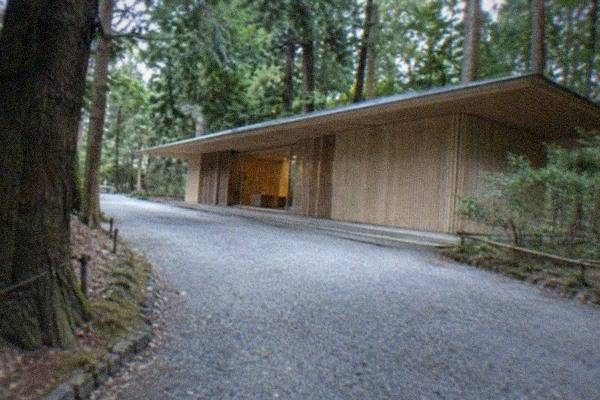
Current admission is on the museum's own ticket page.
Official tickets →Opens the museum's own website. Book on the official site; nothing is charged on this page.
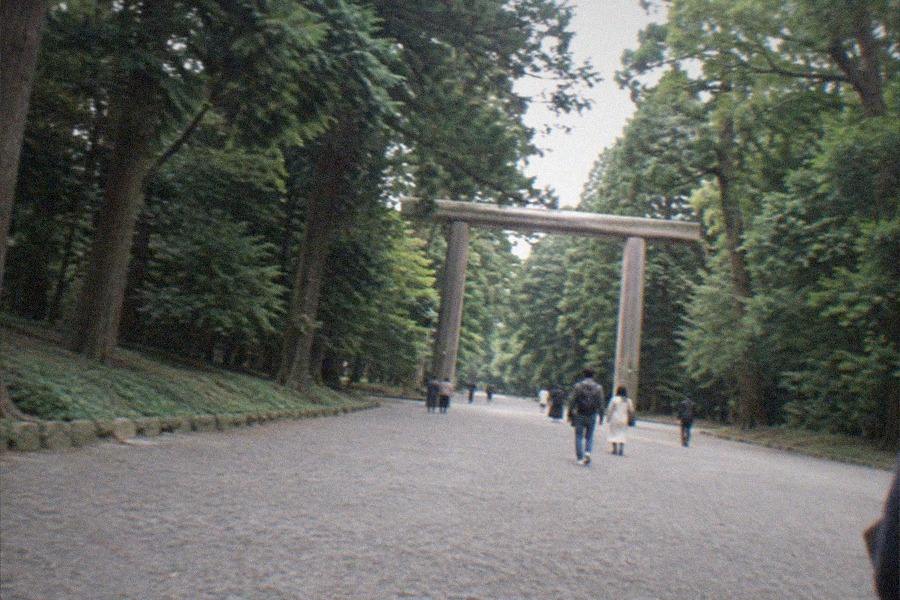
A gravel approach runs through a planted forest toward one of Tokyo's most visited shrines, and most of the people walking it never pay a yen. Meiji Jingu's grounds are free, in the shrine's own words: there is no admission fee for Meiji Jingu, and fees are charged only at some facilities in the precinct. The museum is one of those facilities. It sits inside the shrine grounds at 1-1 Yoyogi Kamizono-cho in Shibuya, a short walk from Harajuku Station, and it charges 1,000 JPY at the counter. There is no online ticket and no timed slot: you walk in, buy at the museum counter, and go through. This page sets out the price, the hours, the Thursday closure, the access routes and how the museum fits a day in the Yoyogi and Harajuku area.
Adult admission is 1,000 JPY, about 6.51 USD, bought at the museum counter on the day. There is no online ticket: the official site publishes none, and entry is not timed. The shrine grounds around the museum cost nothing, because Meiji Jingu charges no admission fee for the precinct itself, only at some facilities inside it such as the museum.
That split is the single most useful thing to understand before arriving. Many visitors assume the whole site is ticketed, and others assume everything is free. Neither is true. You can spend a full morning on the approach, the forest paths and the main shrine buildings without paying anything, then decide at the museum door whether the 1,000 JPY ticket is worth it to you.
The museum's own page on the shrine's official site, meijijingu.or.jp/en/whattosee/museum/, is where the shrine states what the museum is and how it is run. THE TOKYO PASS is accepted at the museum, so a holder of that pass does not pay the 1,000 JPY at the counter.
| Item | Detail |
|---|---|
| Adult admission | 1,000 JPY (about 6.51 USD) |
| Where to buy | Museum counter, on the day |
| Online ticket | None published on the official site |
| Timed entry | No, walk in |
| Shrine grounds | Free, no admission fee for Meiji Jingu itself |
| THE TOKYO PASS | Accepted |
| Tokyo Museum Grutto Pass | Not covered |
One pass worth ruling out here is the Tokyo Museum Grutto Pass. Meiji Jingu Museum is not on the 2026 edition at all, so the pass buys you nothing at this counter. The pass also excludes both teamLab venues, the Ghibli Museum, the Warner Bros. Studio Tour, Sanrio Puroland, the National Art Center, Nezu, Artizon, the Railway Museum, Hakone Open-Air, SMALL WORLDS, the Unko Museum, Madame Tussauds, Tokyo Trick Art, both Yokohama museums and Edo Wonderland, plus special exhibitions almost everywhere, so it should never be bought with this museum in mind.
No. Meiji Jingu Museum is a walk-in venue: you buy at the museum counter when you arrive, and there is no timed-entry system and no advance-release calendar to watch. The official site publishes no online ticket at all, so there is nothing to book even if you wanted to, and no sold-out slot concept applies here.
This matters because Tokyo's ticketing landscape is uneven, and visitors who have just fought for a timed slot elsewhere often assume every museum works the same way. It does not. Three venues in this site's lineup cannot be bought at the door at all: teamLab Planets TOKYO, the Ghibli Museum in Mitaka and the Fujiko F. Fujio Museum all sell advance-only, date-and-time-specified tickets. A further group, including teamLab Borderless, the Warner Bros. Studio Tour and the Samurai Ninja Museum Tokyo, runs timed slots that reward booking ahead.
Meiji Jingu Museum sits in the relaxed majority. You can decide on the morning itself, walk up to the counter, pay 1,000 JPY and enter. The only planning that matters is the day of the week: the museum closes on Thursdays, so a Thursday visit finds the doors shut while the shrine grounds around it stay open and free.
For a sense of contrast, the teamLab Borderless page covers a timed-slot venue where the slot is the whole game, and the Samurai Ninja Museum Tokyo page covers a book-ahead experience venue in Asakusa. This museum is the opposite of both: a counter, a price, a door.
Meiji Jingu Museum opens at 10:00 and closes at 16:30, and it is closed on Thursdays. It opens on Mondays, which matters more than it sounds, because most of Tokyo's large national museums shut on Mondays and this one does not. The shrine grounds themselves stay open regardless of the museum's schedule.
The Monday point deserves emphasis. A visitor who plans a Monday around the big Ueno museums finds the Tokyo National Museum, the National Museum of Western Art and the National Museum of Nature and Science all shut. Meiji Jingu Museum is one of the venues that breaks that pattern, along with the National Art Center and the Mori Art Museum in Roppongi. A Monday in Harajuku with a museum attached is a genuinely workable itinerary.
| Item | Detail |
|---|---|
| Hours | 10:00-16:30 |
| Closed day | Thursday |
| Open on Monday | Yes |
| Area | Yoyogi / Harajuku, Shibuya |
| How far ahead to book | Walk in, buy at the counter, no booking |
| How long to allow | Check the museum's own site for current guidance |
The 16:30 closing is earlier than many visitors expect, so the museum belongs in the first half of a day rather than the late afternoon. Arrive from Harajuku in the morning, see the museum, then spend the rest of the day on the shrine approach, Yoyogi Park or the shopping streets on the Omotesando side without a ticket or a deadline.
The address is 1-1 Yoyogi Kamizono-cho, Shibuya-ku, Tokyo 151-8557, inside the Meiji Jingu precinct. The nearest stations are Harajuku on the JR Yamanote Line and Meiji-jingumae on the Chiyoda and Fukutoshin lines. Both put you at the edge of the shrine grounds, and the museum is reached on foot from there.
Harajuku Station is the route most visitors take, because the Yamanote Line links it directly to Shinjuku, Shibuya and Tokyo Station, and because the shrine entrance sits right by the station. Meiji-jingumae is the subway alternative, served by the Chiyoda and Fukutoshin lines, and connects to Omotesando one stop away for anyone coming from central Tokyo's subway network.
The walk from either station passes through the shrine's planted forest, which is the reason many people come to this corner of Shibuya at all. The grounds are free to enter, per the shrine's own statement that there is no admission fee for Meiji Jingu, so the journey to the museum door costs nothing until you choose to buy the 1,000 JPY ticket.
For orientation against the rest of the city: Shibuya Station is a couple of stops down the Yamanote Line, Shinjuku is a couple of stops the other way, and the area sits between the two. A morning here pairs naturally with Shibuya itself, or with a walk out the far side of the grounds toward Yoyogi Park. If the day is a museum day rather than a shrine day, the Edo-Tokyo Museum in Ryogoku covers the city's history in far greater depth, though it closes on Mondays, the exact day this museum is open.
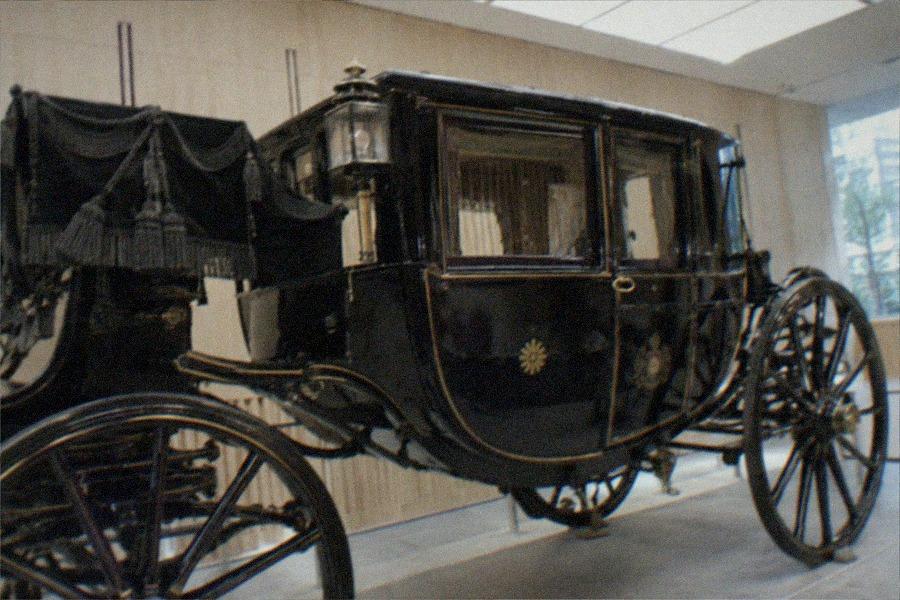
Meiji Jingu Museum is a history museum inside the shrine precinct, presenting material connected with the shrine and the era it commemorates. It is a paid facility within free grounds, so the visit is best understood as one layer of a shrine visit rather than a standalone museum trip. Details of current displays are on the shrine's official site.
The shrine's own page for the museum, meijijingu.or.jp/en/whattosee/museum/, is the authoritative source for what is showing, and it is the right place to check before a visit aimed at a specific display, because museum content rotates and this site does not carry a current exhibition listing for it.
What does not rotate is the setting. The museum sits inside one of Tokyo's most visited shrine precincts, and the free parts of the grounds, the approach, the forest and the main shrine buildings, are the reason the site draws the crowds it does. A practical shape for a visit is to walk the approach first, spend time at the main shrine buildings, then enter the museum with the 1,000 JPY ticket if the history interests you.
Visitors with a deeper interest in Tokyo's history should know the alternatives. The Edo-Tokyo Museum in Ryogoku, reopened on 31 March 2026 after a roughly four-year renovation, is the city's dedicated history museum, and the Edo-Tokyo Open Air Architectural Museum in Koganei preserves whole restored buildings. Meiji Jingu Museum is narrower: it exists to serve the shrine it stands in.
It fits as a short, walk-in stop inside a Harajuku or Shibuya day, not as a destination in itself. Entry is 1,000 JPY at the counter, hours run 10:00 to 16:30, Thursdays are closed, and no booking exists or is needed. Plan around the Thursday closure and the early closing time, and the museum slots into almost any itinerary.
The booking axis is where this museum sits on the easy end. Tokyo's hardest tickets are the advance-only venues: the Ghibli Museum sells dated, named tickets through Lawson Ticket only, with the buyer's name printed on the ticket and resale banned in the museum's own words; teamLab Planets sells advance-only through its official ticket store; and the Fujiko F. Fujio Museum sells only through its own e-tix system. Meiji Jingu Museum asks for none of that. You show up, you pay, you walk in.
Price-wise it sits mid-table for Tokyo's history and culture venues: above the 400 JPY doors at the Edo-Tokyo Open Air Architectural Museum and the Sumida Hokusai Museum, level with the 1,000 JPY doors at the Tokyo National Museum's collection exhibitions and the Ghibli Museum, and well below the big book-ahead attractions. THE TOKYO PASS is accepted here, while the Grutto Pass is not, and no other genuine multi-museum pass for Tokyo is on sale, so there is no pass shortcut to plan around.
For combining, the natural pairings split by day of the week. On a Monday, when the Ueno nationals and most metropolitan museums shut, this museum is open, as are the National Art Center and the Mori Art Museum in Roppongi. On any other day, a history-minded visitor could pair the morning here with an afternoon at the Edo-Tokyo Museum in Ryogoku. Visitors travelling with children, or who want a book-ahead experience instead of a quiet gallery, can compare the Samurai Ninja Museum Tokyo in Asakusa or the timed-slot world of teamLab Borderless at Azabudai Hills. Meiji Jingu Museum is the calm option in that set: no slot, no queue strategy, no calendar to watch.
Adult admission is 1,000 JPY, about 6.51 USD, paid at the museum counter on the day. There is no online ticket, and THE TOKYO PASS is accepted. The shrine grounds around the museum are free, since Meiji Jingu charges no admission fee for the precinct itself, only at some facilities inside it.
No. The museum is a walk-in venue with no timed entry and no advance-release calendar. You buy at the museum counter when you arrive. The official site publishes no online ticket, so there is nothing to book even if you wanted to.
The museum opens at 10:00 and closes at 16:30. The early closing means it belongs in the first half of a day rather than the late afternoon. The shrine grounds around it stay open and free regardless of the museum's schedule.
It is closed on Thursdays. It opens on Mondays, which makes it useful for a Monday itinerary, because most of Tokyo's large national museums, including the three in Ueno Park, shut on Mondays and this museum does not.
Yes. Meiji Jingu's own wording states there is no admission fee for Meiji Jingu, and fees are charged at some facilities such as the museum in the precinct. The approach, the forest paths and the main shrine buildings cost nothing.
No. Meiji Jingu Museum is not on the 2026 Grutto Pass, so the pass buys nothing at this counter. THE TOKYO PASS is accepted instead. The Grutto Pass also excludes both teamLabs, the Ghibli Museum, the Warner Bros. Studio Tour, Nezu, Artizon, the Railway Museum and special exhibitions almost everywhere.
The museum is at 1-1 Yoyogi Kamizono-cho, Shibuya-ku, Tokyo 151-8557, inside the shrine precinct. The nearest stations are Harajuku on the JR Yamanote Line and Meiji-jingumae on the Chiyoda and Fukutoshin lines. From either, you walk into the free grounds to reach the museum.
No. The official site publishes no online ticket for this museum. Entry is bought at the museum counter on the day, and there is no timed-entry system, so a sold-out slot is not something you need to plan around here.
Asakusa, Taito
from $20per person, live price on the listing Check availability →