Samurai Ninja Museum Tokyo
Asakusa, Taito
from $20per person, live price on the listing Check availability →
Current admission is on the museum's own ticket page.
Official tickets →Opens the museum's own website. Book on the official site; nothing is charged on this page.
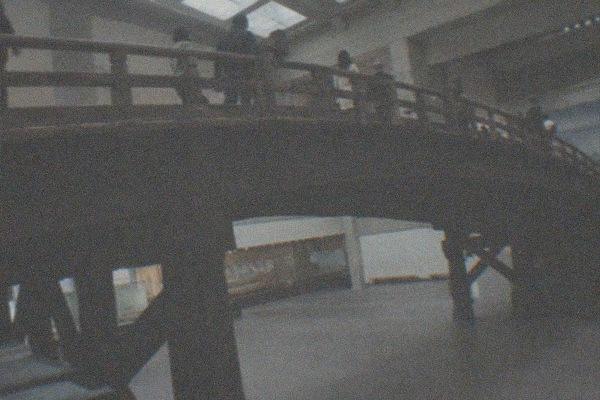
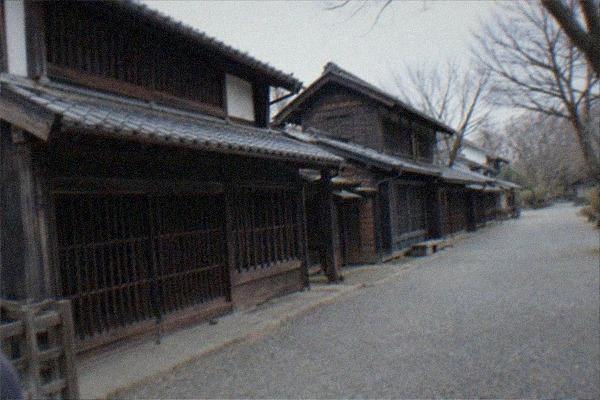
Three minutes from Kiyosumi-shirakawa station, in the quiet Shirakawa district of Koto, stands a small museum devoted to the old downtown world of Edo-period Fukagawa. The Fukagawa Edo Museum reconstructs the feel of a shitamachi neighborhood, the canal-side district where ordinary townspeople lived, worked and worshipped, and lets visitors walk through it at street level rather than peering at objects behind glass. It is one of the cheapest museums in Tokyo at 400 JPY, it needs no booking of any kind, and it sits in the same corner of the city as the Museum of Contemporary Art Tokyo, which makes an easy pairing. This page covers the prices, the opening rules, the Grutto Pass and how to plan the visit.
An individual adult pays 400 JPY at the counter, about 2.61 USD. Groups of 20 or more pay 300 JPY each, and a disability certificate brings the rate down to 200 JPY. Elementary, junior high and high school students pay 50 JPY, dropping to 30 in a group and 20 with a certificate.
The ticket is valid on the day of purchase only and admits one entry per person, so if you leave and want to come back the same day you would need a new ticket. A disability certificate also covers one accompanying carer free, which matters for visitors who need assistance inside. Teacher-led elementary and junior high school parties can have the fee waived entirely, provided the visit is arranged with the museum in advance rather than simply turning up.
The museum's own site at kcf.or.jp/fukagawa carries the full price list and is the right place to confirm anything before a visit. There is no online ticket to buy, no booking fee and no convenience-store surcharge, because there is no advance channel at all. The price below is the whole cost of admission.
| Visitor type | Individual | Group of 20 or more | With disability certificate |
|---|---|---|---|
| Adult | 400 JPY | 300 JPY | 200 JPY |
| Elementary, junior high, high school student | 50 JPY | 30 JPY | 20 JPY |
| Carer accompanying a certificate holder | Free | Free | Free |
For comparison within the same history theme, the Edo-Tokyo Museum charges 800 JPY for its permanent exhibition, so Fukagawa costs half as much. The Samurai Ninja Museum Tokyo in Asakusa charges considerably more, around 3,000 JPY, though its product includes a guided tour and hands-on activities rather than a walk-through exhibition.
No. Fukagawa Edo Museum is a walk-in museum: you buy at the counter on the day, there is no timed entry and no advance release window to catch. A sold-out slot is not a scenario here. The only planning that matters is arriving before 16:30, the last admission.
This matters more than it sounds in Tokyo, where the city's most famous museums split sharply into two camps. teamLab Borderless, the Ghibli Museum and the Fujiko F. Fujio Museum cannot be bought at the door at all, and several others run timed slots that sell out. Fukagawa Edo Museum belongs to the opposite group: the counter is the only channel, the ticket is sold on the spot, and capacity is rarely the constraint that decides your day.
The practical advice is therefore simple. Do not spend any time searching for advance tickets, because none exist. Turn up during opening hours, buy at the counter, and keep in mind the one real deadline: last admission is 16:30, half an hour before the exhibition room closes at 17:00. If you arrive at 16:29 you can still enter, but you will have the shortest possible visit.
The museum's foundation also sells a three-museum combined ticket, which is linked from the museum's own navigation. Its price and exactly which three museums it covers are set out on the museum's site, so check there before assuming it suits your itinerary. For a visitor spending several days in the city and moving between history museums, it may be worth reading; for a single visit, the 400 JPY counter ticket is the whole story.
The exhibition room runs 09:30 to 17:00, with last admission at 16:30. The small theatre and rec hall keep longer hours, 09:00 to 22:00. The museum closes on the second and fourth Monday of each month, and shuts 29 December to 3 January, though the exhibition room opens on 2 and 3 January.
The twice-a-month Monday closure is the detail that catches visitors out. Unlike museums that shut every Monday, this one is open on the first and third Monday of the month, so a Monday visit is sometimes possible and sometimes not, depending on where the Mondays fall in the calendar. When a closure Monday is a national holiday, the museum opens instead and follows its holiday rule.
Two further quirks are worth knowing. First, the year-end closure from 29 December to 3 January is not total: the exhibition room opens specially on 2 and 3 January, which makes it one of the few museum options in the city during the New Year holidays. Second, the museum occasionally closes on unscheduled days for maintenance and exhibition changeovers, so a date that looks open on paper can still be shut. The museum's own site at kcf.or.jp/fukagawa posts these notices and is worth a glance the day before any visit.
The split hours also matter for planning. If you only want the exhibition room, the 17:00 close governs your day. The small theatre and the rec hall, which run until 22:00, are separate facilities, and an evening event there is a different kind of visit from a daytime walk through the exhibition.
The museum stands at 1-3-28 Shirakawa, Koto-ku, in eastern Tokyo. The nearest station is Kiyosumi-shirakawa, served by the Toei Oedo and Tokyo Metro Hanzomon lines: take exit A3 and the walk is about three minutes. That same station also serves the Museum of Contemporary Art Tokyo nearby.
Kiyosumi-shirakawa is an easy station to reach from central Tokyo. The Hanzomon Line runs through Shibuya, Omotesando, Otemachi and Kudanshita, so a visitor staying anywhere on that corridor rides straight there without a transfer. From the Oedo Line side, the station connects toward Ryogoku and Tocho-mae. Exit A3 is the one to aim for, and the three-minute walk is flat and simple.
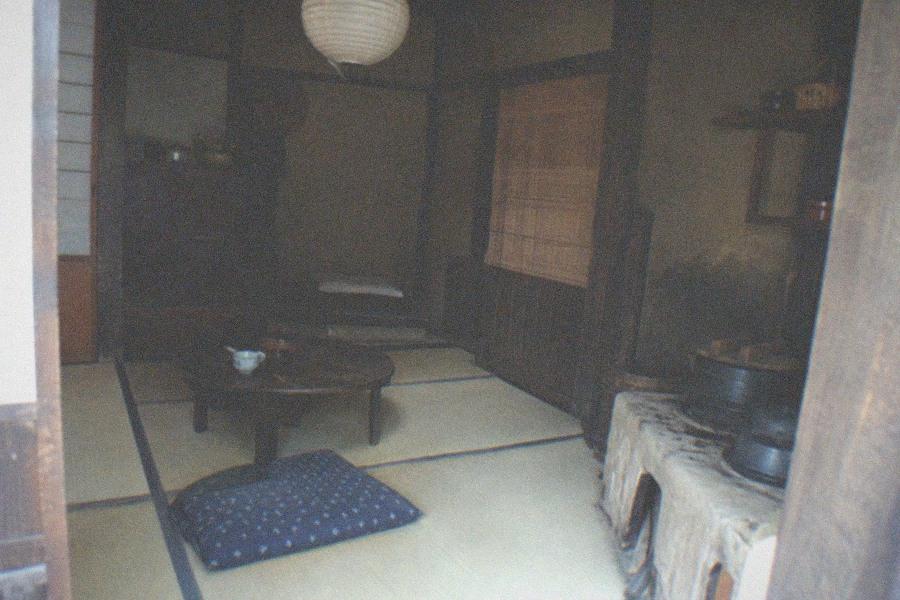
The location is the real argument for combining museums. The Museum of Contemporary Art Tokyo is in the same Kiyosumi-Shirakawa area, so a single train journey covers two very different collections: Edo-period everyday life at Fukagawa, and modern and contemporary art a short walk away. Kiyosumi Gardens is also in the immediate area for anyone building a half-day itinerary around the station.
Visitors coming from Ryogoku, where the Edo-Tokyo Museum and the Sumo Museum sit, will find the two districts are neighbours on the map but on different rail lines, so expect a short transfer rather than a direct ride. Building the day around one district rather than criss-crossing the city is the smarter shape.
The Grutto Pass gives free entry here on both the permanent exhibition and the special exhibition, one of the broader coverages in this lineup. The pass costs 2,500 JPY and runs two months from first use. It excludes both teamLabs, the Ghibli Museum, Warner Bros. Studio Tour and Sanrio Puroland.
This is a generous deal relative to the rest of the pass. Many museums on the Grutto list give free entry only on the permanent collection and a discount on special exhibitions, or a discount on everything. Fukagawa Edo Museum gives free entry on both, so a pass holder loses nothing by visiting during a special exhibition rather than waiting. The pass is valid for two months from the date of first use, with a hard expiry of 31 March 2027, and it can be bought as a physical card or a digital QR ticket, at participating facilities, online, or via an exchange ticket at major convenience stores. The official pass site is rekibun.or.jp/grutto.
The exclusions are the part most guides understate. The pass does not cover teamLab Borderless, teamLab Planets TOKYO, the Ghibli Museum, Mitaka, Warner Bros. Studio Tour Tokyo, Sanrio Puroland, the Railway Museum, Hakone Open-Air Museum, SMALL WORLDS, Madame Tussauds, Tokyo Trick Art, the Unko Museum, Edo Wonderland, both Yokohama museums, the National Art Center, Nezu, Artizon or Meiji Jingu, and special exhibitions at most facilities sit outside it too. There is no other genuine multi-museum pass for Tokyo, and Go City does not operate a Tokyo product.
Whether the pass pays off at Fukagawa alone is a simple sum: at 400 JPY per visit, this museum contributes only a small fraction of the 2,500 JPY price. The pass makes sense when Fukagawa is one stop among several covered museums in a two-month window, not when it is the only one on the list.
Yes, for most visitors. At 400 JPY it is one of the cheapest museums on this site, and it suits anyone curious about everyday Edo-period life rather than grand treasures. Allow about an hour. Pair it with the Museum of Contemporary Art Tokyo, which shares the same station three minutes away.
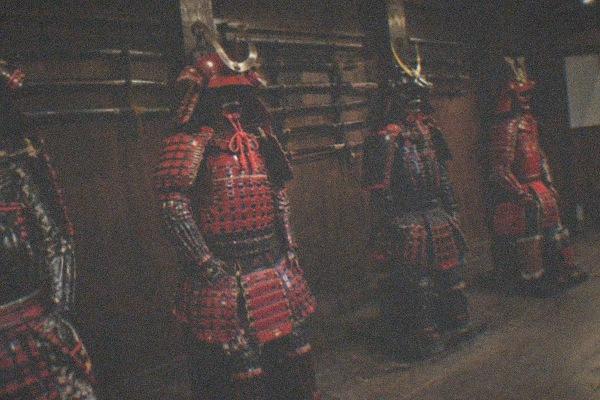
The museum's strength is intimacy. Where the Edo-Tokyo Museum tells the whole story of Tokyo across centuries at a large scale, Fukagawa Edo Museum narrows to one district and one way of life, which makes it a good complement rather than a substitute. Visitors who want armour, swords and hands-on samurai activities will be better served elsewhere, for instance at the Samurai Ninja Museum Tokyo in Asakusa. Visitors who want to understand how ordinary people actually lived in Edo will find more here per yen than almost anywhere in the city.
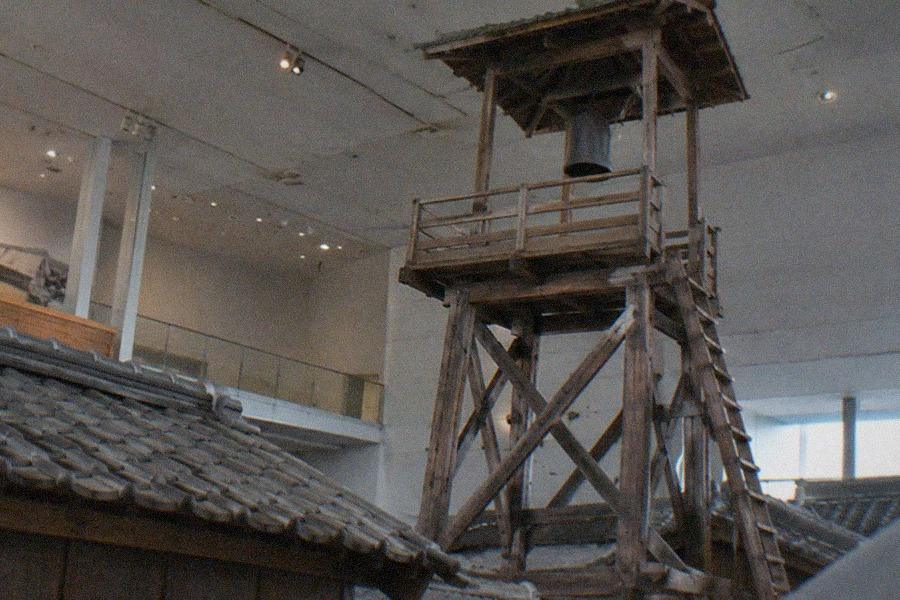
Time-wise, an hour is a realistic allowance for the exhibition room, longer if you read everything or catch a demonstration. Because there is no entry slot to book, the visit flexes around the rest of the day. Arrive in the morning for the quietest rooms, or use the museum as a late-afternoon stop, remembering only the 16:30 last admission.
The essentials for planning are in the table below. The booking row is the one that decides the shape of the day: this is a walk-in museum, so no part of the itinerary has to be locked to a time slot.
| At a glance | Detail |
|---|---|
| Hours | Exhibition room 09:30-17:00; small theatre and rec hall 09:00-22:00 |
| Last admission | 16:30 |
| Closed | 2nd and 4th Mondays; open if that Monday is a national holiday; closed 29 December to 3 January, exhibition room open 2-3 January |
| Area | Shirakawa, Koto |
| How far ahead to book | Not at all: walk in, counter on the day |
| How long to allow | About an hour for the exhibition room |
An individual adult pays 400 JPY at the counter. Groups of 20 or more pay 300 JPY each, and a disability certificate brings the adult rate down to 200 JPY. Elementary, junior high and high school students pay 50 JPY, dropping to 30 in a group and 20 with a certificate.
No. The museum is walk-in only: you buy at the counter on the day and there is no timed entry or advance release. The only deadline that matters is last admission at 16:30, half an hour before the exhibition room closes at 17:00.
It closes on the second and fourth Monday of each month, opening instead when one of those Mondays is a national holiday. It also closes 29 December to 3 January, except that the exhibition room opens specially on 2 and 3 January. Occasional unscheduled maintenance closures also happen, so check the museum's own site.
Free entry on both the permanent exhibition and the special exhibition, one of the broader coverages on the pass. The pass costs 2,500 JPY and lasts two months from first use. It excludes both teamLabs, the Ghibli Museum, Warner Bros. Studio Tour Tokyo and Sanrio Puroland, among others.
The address is 1-3-28 Shirakawa, Koto-ku. The nearest station is Kiyosumi-shirakawa on the Toei Oedo and Tokyo Metro Hanzomon lines: take exit A3 and the walk is about three minutes. The same station also serves the Museum of Contemporary Art Tokyo nearby.
About an hour for the exhibition room, longer if you read everything in detail. Because the museum is walk-in with no entry slots, the visit flexes around the rest of your day. Just arrive before 16:30, the last admission time.
No. The ticket is valid the same day only and admits one entry per person. If you leave and return later the same day, you would need to buy a new ticket. A disability certificate also covers one accompanying carer free of charge.
Asakusa, Taito
from $20per person, live price on the listing Check availability →