Free Museums In Tokyo: What Is Actually Free, And What Is Not
Most lists of free museums in Tokyo are wrong before the first paragraph ends. The honest count is smaller than the internet says, and every free option carries a catch worth knowing before you plan a day around it.
Short answer
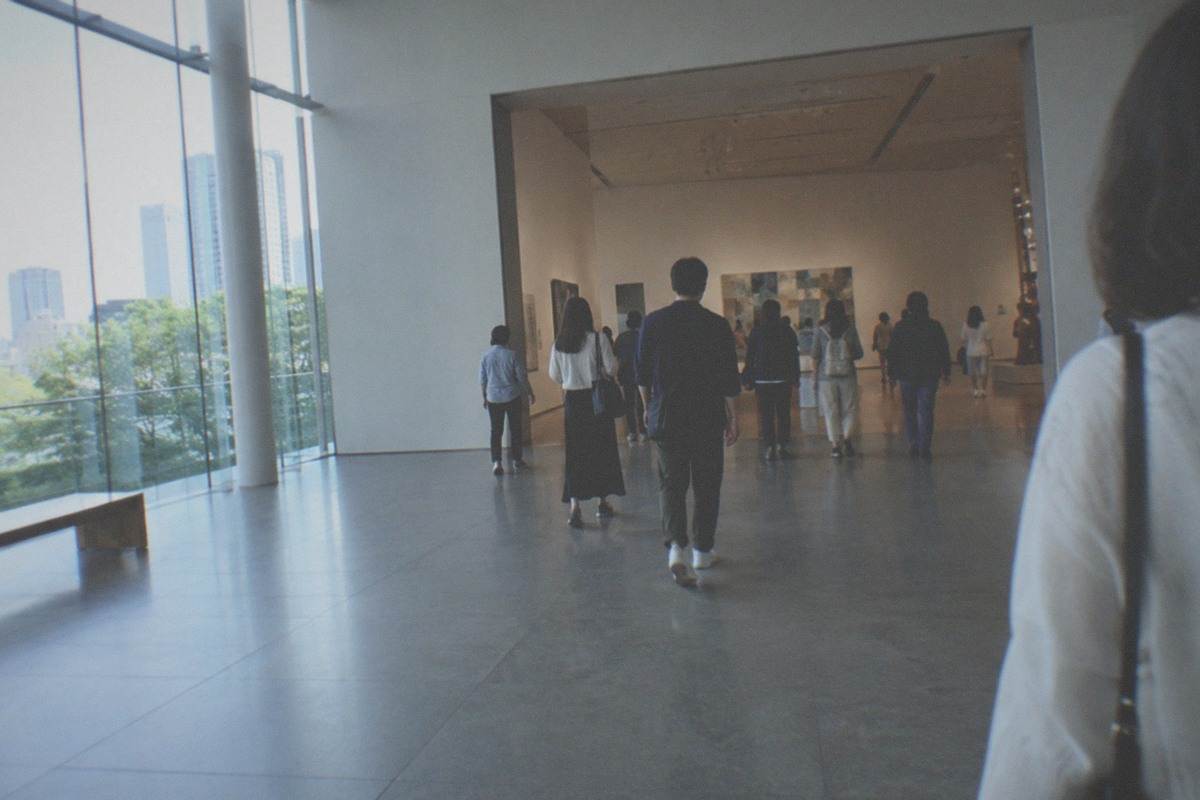
Two museums are free to visit outright, the Sumo Museum and the Meguro Parasitological Museum, and both close on days most visitors are in town. Two more, the National Art Center and the Tokyo Metropolitan Art Museum, let you in free but ticket every exhibition. Free admission days and pay-what-you-want walking tours fill the rest of the gap.
Tokyo has a reputation for expensive attractions, and the teamLab and Ghibli pages do nothing to argue against it. But the free end of the museum city is real, it is just smaller and stranger than the listicles suggest. Some venues that appear on "free museums in Tokyo" roundups charge for every exhibition inside. Some that are genuinely free shut on the exact days you are most likely to be standing outside them. And a few of the best free experiences in the city are not museums at all, they are walking tours where the price is whatever you decide to tip the guide.
This page sorts the genuinely free from the merely free-to-enter, lists the free admission days you can actually plan a trip around, and shows where pay-what-you-want walks fit into a zero-yen museum day.
Which Tokyo Museums Are Genuinely Free To Enter?
Two museums are free to visit outright, the Sumo Museum and the Meguro Parasitological Museum, and two more let you into the building for nothing but charge for every exhibition, the National Art Center, Tokyo and the Tokyo Metropolitan Art Museum. That is the whole honest count. The Sumo Museum sits inside the Ryogoku Kokugikan sumo arena and needs no ticket in a normal week. The Meguro Parasitological Museum is a two-room collection of parasites that welcomes donations. Everything else in Tokyo charges, even when a blog tells you otherwise.
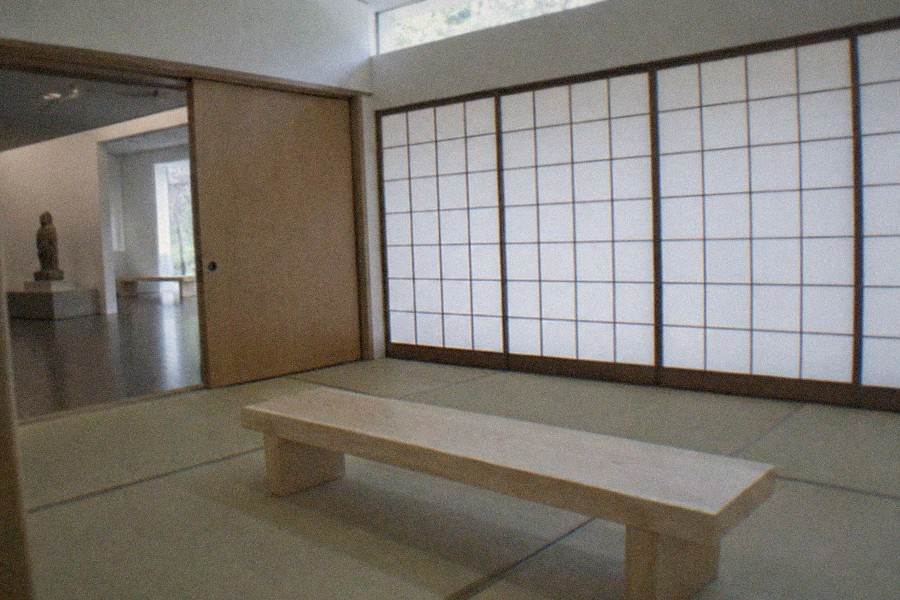
The Sumo Museum is the one people get wrong in both directions. It is genuinely free, and the official arena page confirms it, but it is closed Saturdays, Sundays and national holidays, which is precisely when most visitors find themselves in Ryogoku. Worse, during a Tokyo tournament the whole Kokugikan turns over to sumo, and you cannot reach the museum without a Grand Sumo viewing ticket sold by the Japan Sumo Association. A weekday morning visit is the only version that works. The official Sumo Museum page states the free admission and the tournament condition in one place.
The Meguro Parasitological Museum inverts the problem. It is free, donations welcome, and it is open a normal five-day week, but it closes both Monday and Tuesday, not just one of them. The museum's own visit page says it plainly: admission free, donations welcome. It is a short walk from Meguro Station and takes most people well under an hour, which makes it a good pairing with something paid nearby rather than a destination on its own.
| Museum | Entry cost | The catch |
|---|---|---|
| The Sumo Museum | Free | Closed Saturdays, Sundays and holidays; needs a tournament ticket during a basho |
| Meguro Parasitological Museum | Free, donations welcome | Closed Monday and Tuesday |
| The National Art Center, Tokyo | Building free | No permanent collection; every exhibition ticketed separately; closed Tuesdays |
| Tokyo Metropolitan Art Museum | Building free | Every exhibition ticketed separately; special shows close every Monday |
Neither free museum takes bookings, sells a ticket or appears on any pass, so there is nothing to buy in advance and nothing to get wrong at the door. The only planning that matters is the calendar. If your trip is a weekend, the Sumo Museum is out unless a tournament ticket is already in hand, and the Meguro Parasitological Museum is the only truly free museum door open to you.
Is The National Art Center, Tokyo Really A Free Museum?
The National Art Center, Tokyo is free to walk into, but it is not a free museum in any sense a visitor cares about. Entry covers the striking Kisho Kurokawa glass facade and atrium, the art library, the shop and the restaurant floor. There is no permanent collection at all, and every exhibition is ticketed separately. Calling it free without that sentence is how half the internet describes it, and it is misleading.
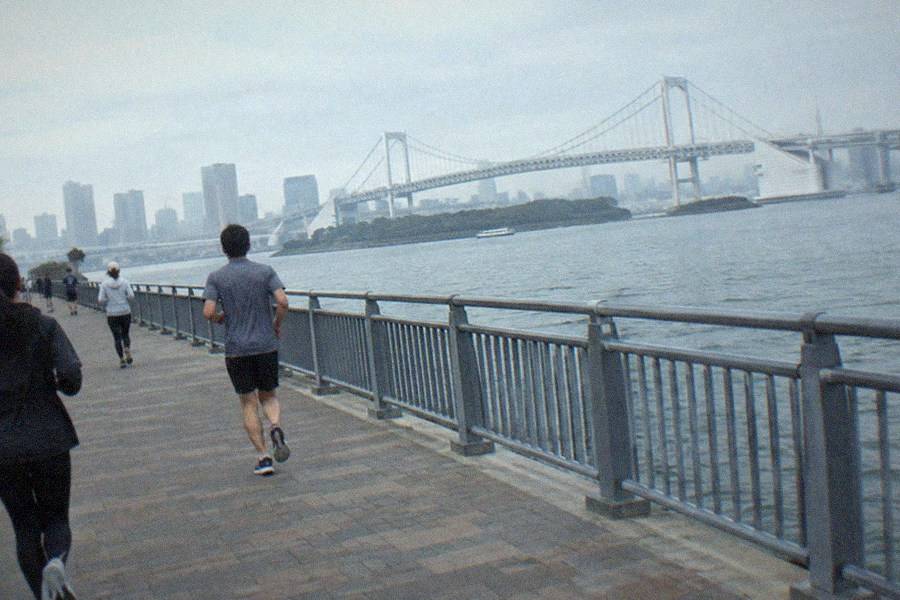
The building itself is genuinely worth the trip even if you never buy an exhibition ticket. The wave-shaped glass front on Roppongi's museum row is one of the most photographed museum exteriors in the city, and the atrium and restaurant floor cost nothing to stand in. The art library inside is a real research library, open to anyone, and a pleasant place to sit for half an hour. If your goal is architecture and atmosphere rather than art on walls, the free entry genuinely delivers.
What it does not deliver is art. The National Art Center runs no collection of its own, so its galleries are always in the business of hosting ticketed temporary shows. A special exhibition typically runs around 2,000 JPY and artist-association shows start from about 1,400 JPY, so a family of four can walk out having spent more than a day at a national museum would have cost.
There is one more trap, and it catches people who plan around Monday closures. The National Art Center closes on Tuesday, not Monday, the opposite of the big Ueno nationals. That makes it the single best Roppongi answer on a Monday, alongside the Mori Art Museum five minutes away, though note that the Mori is shut between exhibitions, and its current gap runs 24 September to 30 October 2026, reopening 31 October. On a Tuesday, the free building you were promised is shut.
What Does The Tokyo Metropolitan Art Museum Cost?
The Tokyo Metropolitan Art Museum in Ueno Park, known as Tobikan, is free to enter as a building, and free entry covers the lobby, the shop, the restaurants and the art-society exhibitions that charge nothing. Every special and thematic exhibition is ticketed separately, and those close every Monday, while the building as a whole closes on the 1st and 3rd Mondays. The museum's own wording is blunt: museum entry is free, exhibition admission fees vary by exhibition.
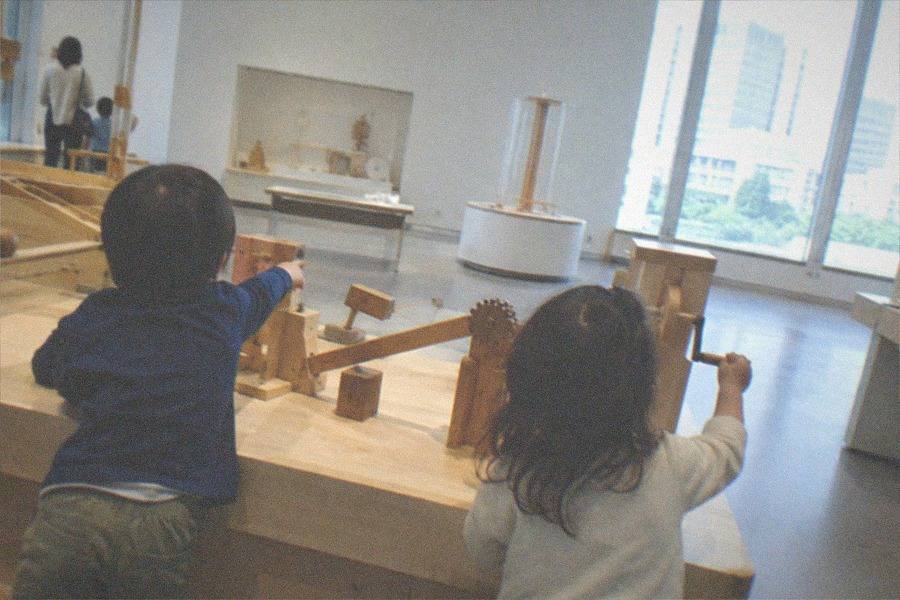
Tobikan is worth understanding because it sits in Ueno Park alongside three national museums, and a day built around Ueno's free floors is a real option. The museum's English guide page lays out the split. The building is a handsome piece with restaurants and a shop worth browsing, and across the year various art-society exhibitions open their doors at no charge. The headline shows, the ones that bring the crowds, are separately ticketed and priced per exhibition.
The Monday rule deserves a careful read. The museum as a whole closes on the 1st and 3rd Mondays of the month, but the special and thematic exhibitions close every Monday without exception. So on a 2nd or 4th Monday you can enter the building and its free areas, while the paid shows are dark. On a 1st or 3rd Monday there is nothing to enter at all. Plan a Ueno Monday and you will find Tobikan's free floors open only half the time, and its exhibitions never.
A name warning matters here, because three Tokyo museums share near-identical names. Tobikan, the Tokyo Metropolitan Art Museum, is in Ueno Park. The Tokyo Metropolitan Teien Art Museum is a 1933 art-deco house in Shirokanedai, and it charges. The Museum of Contemporary Art Tokyo is in Kiyosumi-Shirakawa, and it charges for its collection too, though its MOT Collection goes free for everyone on 1 October, Tokyo Citizens' Day. They are three different museums, and a free-day plan that mixes them up collapses quickly. Our Ueno Park museums guide untangles the park itself.
Can Free Walking Tours Fill The Gaps In A Free Museum Day?
Yes, and in Tokyo they fill the gaps better than in most cities, because 35 verified English pay-what-you-want walks cover the areas around the major museums. You book a free slot, walk with a guide, and tip what you think the walk was worth at the end. None of them enters a museum, but several pass museum doors and circle the parks the museums sit in. GuruWalk is the platform that lists them, and the free slot is genuinely free.
The pairing logic is simple. The Sumo Museum is free but weekday-only, so a Ryogoku walk on a day the museum is shut still gives you the neighbourhood. The Sumo Beyond the Ring walk starts at JR Ryogoku Station's West Exit and passes the Kokugikan, the Sumo Museum itself, Ryogoku Edo NOREN and Ekoin Temple, so it threads the exact block the museum lives in. It does not go inside, no walk does, but for a sumo district it is the closest thing to a free guided visit.
In Ueno, the Ueno Park samurai and temples walk circles the park the national museums sit in, taking in Ameyoko, Shinobazu Pond and the shrines on the way. In Shibuya and Harajuku, the Tokyo Highlights walk and the Shibuya, Harajuku and Meiji Shrine walk both finish at Meiji Shrine, whose grounds are free even though the Meiji Jingu Museum inside the precinct charges 1,000 JPY. And near Tokyo Tower, the Tokyo Tower history walk ends at Azabudai Hills, the complex where teamLab Borderless lives, which is as close as a free walk gets to the paid headline attractions.
The mechanics are worth stating plainly because "free tour" sounds too good to be true. The guide takes bookings with no charge, runs the walk, and at the end you tip in cash what you feel the two hours were worth. Guides run these walks for a living, so a fair tip is expected, but the floor is genuinely zero and nobody is chased for money. For a traveller building a near-zero-yen day, two walks plus one free museum is a full itinerary that costs whatever you decide.
Which Free Admission Days Can You Plan Around?
Several major Tokyo museums run free admission days on their permanent collections, and they cluster around three dates: 18 May for International Museum Day, 3 November for Culture Day, and 1 October for Tokyo Citizens' Day. The National Museum of Western Art also frees its permanent collection on the second Sunday of every month. Special exhibitions are excluded almost everywhere, on every free day. These are real, published, first-party rules, not blog folklore.
The single most useful recurring rule is Kawasaki Free Sunday at the National Museum of Western Art in Ueno. On the second Sunday of every month, the permanent collection galleries are free to everyone. The collection is world-class, the museum is a short walk from JR Ueno's Park Exit, and the free Sunday comes around twelve times a year, so it actually fits a trip rather than requiring the trip to fit it.
The fixed calendar dates reward anyone with flexible plans. On 18 May, International Museum Day, both the National Museum of Western Art and the National Museum of Nature and Science free their permanent collections. On 3 November, Culture Day, the same two museums do it again, and the Tokyo National Museum frees its collection exhibitions, as it also does on 19 May and 21 September. On 1 October, Tokyo Citizens' Day, the Museum of Contemporary Art Tokyo's MOT Collection is free for everyone, and the Edo-Tokyo Open Air Architectural Museum drops its entry fee entirely.
| Date or window | Museum | What goes free |
|---|---|---|
| Second Sunday of every month | National Museum of Western Art | Permanent collection |
| 18 May, International Museum Day | National Museum of Western Art, National Museum of Nature and Science | Permanent collections |
| 19 May, 21 September, 3 November 2026 | Tokyo National Museum | Collection exhibitions, specials excluded |
| 3 November, Culture Day | National Museum of Western Art, National Museum of Nature and Science | Permanent collections |
| 1 October, Tokyo Citizens' Day | Museum of Contemporary Art Tokyo, Edo-Tokyo Open Air Architectural Museum | MOT Collection; full entry at Tatemonoen |
| Third Wednesday monthly, Silver Day | Museum of Contemporary Art Tokyo, Edo-Tokyo Open Air Architectural Museum | MOT Collection and Tatemonoen entry free for 65 and over |
| Third Saturday and following Sunday, Family Day | Both museums above | Half price for a Tokyo-resident guardian with a child under 18 |
The Silver Day and Family Day rules are live at both museums, despite a widely repeated claim that they were suspended, and the Tokyo-residency condition on Family Day is stated on the museum's own Japanese page. The Edo-Tokyo Open Air Architectural Museum is open, whatever a stale banner on one of its own pages says, and its free and discounted days are some of the best value in the city on top of a 400 JPY door price that is already the lowest in this lineup.
Which Museums Are Free For Under-18s, Students And Over-65s?
Concessions are where Tokyo quietly becomes one of the cheapest museum cities in the world. The Tokyo National Museum is free for anyone under 18 and anyone 70 or over on its collection exhibitions. The National Museum of Nature and Science is free for high school age and younger, under-18s and anyone 65 or over. The National Museum of Western Art is free for high school age and younger and for over-65s. None of these is general free admission, but for the right visitor they amount to the same thing.
The under-18 rule is the sleeper deal. Every national museum in this lineup admits children and teenagers free on their permanent collections, with proof of age where asked, so a family with two teenagers pays adult prices only for the parents. Add the Artizon Museum, where students of any age enter free with a web reservation, and a student trip to Tokyo can be built almost entirely around free and concessionary entry. Our Tokyo museums with kids guide works through the family angle in detail.
The over-65 rules are nearly as generous, and they stack with the Silver Day free Wednesdays at the Museum of Contemporary Art Tokyo and the Edo-Tokyo Open Air Architectural Museum. A visitor 65 or over with a flexible weekday schedule can string together free collection entry at the science and Western art museums, free Wednesdays at two more, and a free Sumo Museum on any non-holiday weekday, all inside one month.
| Museum | Who gets in free on permanent collections | Condition |
|---|---|---|
| Tokyo National Museum | Under 18, 70 and over | Collection exhibitions only |
| National Museum of Nature and Science | High school and younger, under 18, 65 and over | Permanent exhibitions, proof of age |
| National Museum of Western Art | High school and younger, over 65 | Permanent collection |
| Artizon Museum | All students | Web reservation required |
| CUPNOODLES MUSEUM Yokohama | High school age and younger | General admission |
| Museum of Contemporary Art Tokyo | Elementary school and younger | MOT Collection |
Read the scope column carefully, because the concession applies to permanent collections and not to the special exhibitions that most visitors actually come for. A free-for-under-18s rule does not make the Tokyo National Museum a free museum, and this site will not describe it as one. What it does mean is that for a large share of visitors, the price of the city's best museums is zero on the collections, with only the headline shows costing money.
How Do You Reach Each Free Museum In Tokyo?
Every free and free-to-enter museum in this city is a short walk from a rail station, and none requires a bus or a taxi. The Sumo Museum is two minutes from JR Ryogoku's West Exit, the Meguro Parasitological Museum is a twelve-minute walk from Meguro Station, the National Art Center sits directly above Nogizaka Station, and Tobikan is seven minutes from JR Ueno's Park Gate. The expensive part of a Tokyo museum day is never the train.
| Museum | Nearest station | Walk |
|---|---|---|
| The Sumo Museum | JR Ryogoku, West Exit | 2 minutes |
| Meguro Parasitological Museum | Meguro (JR Yamanote, Metro Namboku, Toei Mita, Tokyu) | 12 minutes |
| The National Art Center, Tokyo | Nogizaka (Chiyoda Line) exit 6, direct | On top of the station |
| Tokyo Metropolitan Art Museum | JR Ueno, Park Gate | 7 minutes |
| National Museum of Western Art | JR Ueno, Park Exit | About 1 minute |
| Museum of Contemporary Art Tokyo | Kiyosumi-Shirakawa (Hanzomon, Oedo) | Short walk |
Two of these pair naturally on foot. The Sumo Museum and the Edo-Tokyo Museum share the Ryogoku district, both within a few minutes of the same station, though the Edo-Tokyo Museum charges 800 JPY and closes Mondays. In Ueno Park, Tobikan, the National Museum of Western Art, the Tokyo National Museum and the National Museum of Nature and Science all sit inside one walkable park, which is why Ueno rewards a free-day plan better than anywhere else in the city: one train ride, four museums, and at least one free floor or free collection among them on almost any date.
The Harajuku and Meiji Shrine free walk starts at JR Harajuku Station's West Exit right by the Meiji Jingu entrance, which makes it a natural warm-up before walking the free shrine grounds. The shrine itself charges nothing, in the shrine's own words there is no admission fee for Meiji Jingu, with fees only at facilities such as the museum in the precinct. Free grounds plus a free walk is as close to a complete free afternoon as central Tokyo offers.
Does The Grutto Pass Help A Free Museum Trip?
The Tokyo Museum Grutto Pass costs 2,500 JPY and is not a free-entry card. Each listing on it is either free entry or a discount, and which one differs per facility. Its free-entry venues on this site's roster total exactly 2,500 JPY in door prices if you use all five, so the pass only breaks even on free entries if you visit every one, and the discounts are what make it worthwhile on top. For a traveller chasing free museums, the pass is a different tool for a different day.
The exclusions matter more than the inclusions for most visitors, and they must be stated wherever the pass is discussed. It excludes both teamLabs, the Ghibli Museum, Warner Bros. Studio Tour, Sanrio Puroland, the National Art Center, Nezu, Artizon, Meiji Jingu, the Railway Museum, Hakone Open-Air, SMALL WORLDS, the Unko Museum, Madame Tussauds, Tokyo Trick Art, both Yokohama museums, Edo Wonderland, and special exhibitions almost everywhere. The official Grutto Pass site is the authority on what is 入場, free entry, and what is 割引, a discount, and the split differs facility by facility. No other genuine multi-museum pass for Tokyo exists, and the subway ticket bundles no museum admission at all.
For the free-museum traveller, the pass and the free days are complementary rather than competing. The pass's best value on this lineup is the Edo-Tokyo Open Air Architectural Museum, free entry on both its permanent and special exhibitions, and the Edo-Tokyo Museum, free entry on its permanent exhibition. Stack a pass day onto a free-admission date and the arithmetic improves further, though the pass never covers the special exhibitions most people travel for. Our full Tokyo museum pass worth it guide runs the numbers, and the Sumo Museum non-tournament blog post covers the one free museum the pass does not touch.
If there is one paid museum worth breaking a free day for, it is the Tokyo National Museum, whose collection exhibitions go free on 19 May, 21 September and 3 November 2026 and cost 1,000 JPY the rest of the year, the deepest collection in the city for the price of a coffee. Tokyo Museums covers its ticket routes in full on the Tokyo National Museum tickets page, where the online collection ticket and the walk-up counters are both explained.
Common Questions About Free Museums In Tokyo
Which Tokyo museums are genuinely free?
Two museums are free to visit outright, the Sumo Museum and the Meguro Parasitological Museum, and two more let you into the building for nothing but charge for every exhibition, the National Art Center, Tokyo and the Tokyo Metropolitan Art Museum. The Sumo Museum closes Saturdays, Sundays and national holidays, and the Meguro Parasitological Museum closes Monday and Tuesday.
Is the National Art Center, Tokyo free?
Entering the building is free, covering the glass facade and atrium, the art library, the shop and the restaurant floor. There is no permanent collection at all, and every exhibition is ticketed separately, typically around 2,000 JPY for a special exhibition. It closes on Tuesday, not Monday.
Is the Tokyo Metropolitan Art Museum free?
The building is free to enter, covering the lobby, shop, restaurants and the art-society exhibitions that charge nothing. Every special and thematic exhibition is ticketed separately. The museum as a whole closes on the 1st and 3rd Mondays, while the special and thematic exhibitions close every Monday.
When are Tokyo museums free?
Free admission days cluster around 18 May, International Museum Day, 3 November, Culture Day, and 1 October, Tokyo Citizens' Day. The National Museum of Western Art frees its permanent collection on the second Sunday of every month, and the Tokyo National Museum frees its collection exhibitions on 19 May, 21 September and 3 November 2026. Special exhibitions are excluded almost everywhere.
Are Tokyo museums free for children?
On permanent collections, yes, widely. The Tokyo National Museum is free for anyone under 18 and 70 or over, the National Museum of Nature and Science is free for high school age and younger, under-18s and 65 and over, and the National Museum of Western Art is free for high school age and younger and over-65s. The Artizon Museum admits all students free with a web reservation. These are concessions, not general free admission, and special exhibitions are excluded.
Are free walking tours in Tokyo really free?
Yes. Pay-what-you-want walks listed on GuruWalk cost nothing to book, the guide runs the tour, and you tip what you feel it was worth at the end. Around 35 verified English walks cover Tokyo, including routes that pass the Sumo Museum in Ryogoku, circle Ueno Park and reach Meiji Shrine, whose grounds are free. No walk enters a museum.
Is the Sumo Museum worth visiting for free?
On a weekday, yes, it is a small, free, focused collection inside the Ryogoku Kokugikan, two minutes from JR Ryogoku's West Exit. It is closed Saturdays, Sundays and national holidays, and during a Tokyo tournament you need a Grand Sumo viewing ticket to reach it at all.
Does the Grutto Pass give free entry to museums?
Only at some facilities. Each listing on the 2,500 JPY pass is either free entry or a discount, and the split differs per venue. Its free-entry museums on this site's roster total exactly 2,500 JPY in door prices if you visit all five, so the free-entry arithmetic alone never produces a surplus. It excludes both teamLabs, the Ghibli Museum, Warner Bros. Studio Tour and special exhibitions almost everywhere.