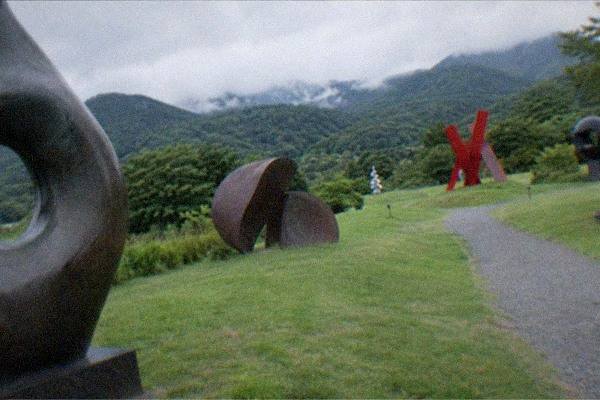
Hakone Open-Air Museum
Ninotaira, Hakone, Kanagawa
from $11.75per person, live price on the listing Check availability →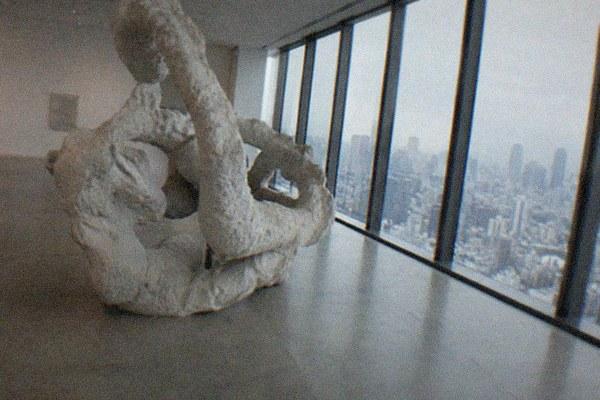
Opens the official listing with live dates and prices. Book there; nothing is charged on this site.
Fifty-three floors above Roppongi, at the top of Mori Tower, the Mori Art Museum runs one large temporary exhibition at a time across a set of galleries that curve around the tower's core. There is no permanent collection hanging on these walls; what you see depends entirely on which show is running, and the museum states plainly that it closes to the public whenever no exhibition is on. That single fact shapes every plan: the visit is worth building around the exhibition calendar, the late 22:00 closing suits an after-dinner art stop, and the ticket you buy is for one named show, not for a building. It rates 4.3 across 44 reviews on this site.
The Mori Art Museum is a contemporary art museum on the 53rd floor of Roppongi Hills Mori Tower, showing temporary exhibitions by international and Japanese artists, with no permanent collection on display. It rates 4.3 across 44 reviews on this site, and it closes whenever no exhibition is running.
The museum's own site describes the same arrangement in its own words: the museum is closed to the public when there are no ongoing exhibitions. That makes it different in kind from somewhere like the Tokyo National Museum, where a permanent collection is always there and the special exhibitions rotate on top of it. Here the rotation is the whole museum.
What that means in practice is that two visitors a month apart can have completely different experiences, one walking through a solo show of a single sculptor, the other through a themed group exhibition filling the same rooms. The galleries are large, dark-controlled and built for big installations, so the museum attracts artists who work at scale. The floor also sits directly above the Tokyo City View observatory on the 52nd floor, which is a separate venue with its own ticket, its own hours and its own closure dates, a distinction that matters later on this page.
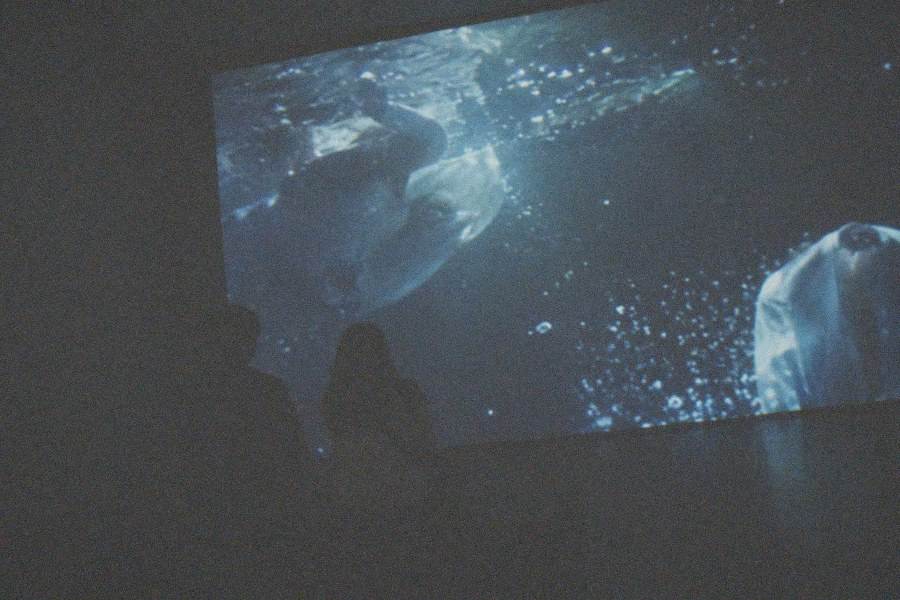
Because the programme is everything, the planning order is reversed compared with most Tokyo museums. First check what is showing, then check the dates, then decide the ticket. A visit during an exhibition you care about is one of the better art afternoons in the city; a visit planned without checking the calendar can mean arriving at a locked door.
There is no standing admission price. Each exhibition sets its own figure, the price is set per date and shown when you choose one, and it changes with every show. The honest answer is that the current figure lives on the museum's own site, and any printed number would expire with its show.
That is not evasion, it is how the museum actually sells. Ticketing is per exhibition, not per building, and within an exhibition the amount you pay depends on the date you pick, with the total shown at the point you choose a day. Weekend and holiday dates cost more than weekday dates for the same show. Anyone who tells you a single admission figure for this museum is quoting one temporary exhibition and presenting it as the museum.
| Ticket | What to expect |
|---|---|
| Admission price | Set per exhibition and per date; shown when you choose a date on the museum's ticket site |
| Door sales | Yes, a same-day window at the museum |
| Online channels | The Mori Art Museum online ticket site; also ART PASS and the live listing |
| Timed entry | No, entry is not slotted |
| Combined ticket | A set ticket with the Tokyo City View observatory is sold online; its price also moves with the programme |
| Grutto Pass | Discount on both the collection and special exhibitions, with some exhibitions excluded |
A set ticket combining the museum with the Tokyo City View observatory exists and is sold online, and it is usually the better deal if you plan to do both, since the observatory is a separate paid venue one floor down. If art is the whole point of your trip up the tower, the exhibition ticket alone is all you need.
Buying online through the museum's own ticket site before you travel is the light nudge worth taking: it costs slightly less than the door and removes any queue at the window. But nothing here needs to be secured weeks ahead, which is the next question.
You can walk in. Mori sells same-day tickets at a window inside the museum, and advance tickets through its own online ticket site, ART PASS and the live listing. There is no timed entry and no sold-out-slot problem of the kind teamLab Borderless or teamLab Planets TOKYO create, though popular shows queue.
This is the axis this site cares about most, and Mori sits on the relaxed end of it. Compare the neighbours: teamLab Borderless runs timed slots you book ahead, and teamLab Planets TOKYO sells advance only with no door sales at all, so a spontaneous visit there is impossible. Mori is the opposite. There is no release schedule to watch, no slot to grab at a set hour, and no scenario in which a ticket simply cannot be bought on the day.
What a busy day looks like here is a queue, not a lockout. A popular exhibition on a weekend evening, and the museum stays open until 22:00 most days, which pulls evening crowds, can mean a wait at the same-day window. Buying online in advance sidesteps that wait entirely. That is the whole of the booking strategy: check the exhibition is running, buy online if you want to skip the line, walk up otherwise.
The one thing you cannot book around is the calendar itself. No channel sells a ticket for a date when nothing is on the walls, because the museum is physically shut on those dates. Booking ahead of time, in the meaningful sense, means checking the exhibition schedule on the museum's own pages and building your Roppongi day around it.
The museum opens 10:00 to 22:00 every day except Tuesday, when it closes at 17:00, with last admission 21:30, or 16:30 on Tuesdays. There is no weekly closing day. Instead it shuts between exhibitions: the current gap runs 24 September to 30 October 2026, reopening 31 October.
The hours are unusual for Tokyo and worth using. Six days a week the museum keeps going until 22:00, which makes it one of the few art venues you can genuinely visit after dinner. Tuesday is the short day, closing at 17:00 with last admission at 16:30.
| At a glance | Detail |
|---|---|
| Hours | Monday and Wednesday to Sunday 10:00-22:00; Tuesday 10:00-17:00 |
| Closed day | No weekly closing day; closed between exhibitions |
| Area | Roppongi Hills, Minato |
| How far ahead to book | Walk in; no timed slot, buy online or at the window |
| How long to allow | About two hours for an exhibition, more with the observatory |
The closure pattern is the trap. The museum shuts whenever no exhibition is running, and the gap moves with the programme, so it is never a fixed annual window. The current gap runs from 24 September to 30 October 2026, between the Ron Mueck exhibition, which ends 23 September, and the next exhibition, which opens 31 October. A longer renovation closure has been separately announced for September 2027 to April 2028. Always check the museum's own exhibition page for the dates that apply to your visit.
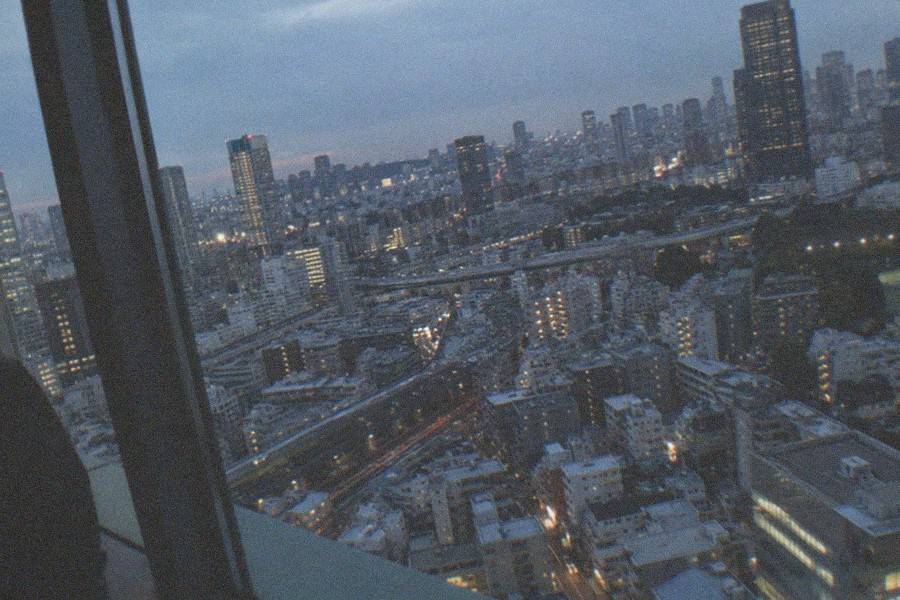
One confusion to avoid: closure dates sometimes quoted for a 10 to 12 November window at this address belong to Tokyo City View, the observatory on the 52nd floor, which is a different venue with its own maintenance schedule. The museum's closures follow its exhibition calendar, not the observatory's.
There is also a Monday angle. Mori has no weekly closing day, so it is normally one of the answers to what is open in Roppongi on a Monday, alongside the National Art Center, Tokyo, which closes Tuesday instead. But during the current gap, from 24 September to 30 October 2026, the Mori Art Museum is shut every day, and the Monday answer in Roppongi is the National Art Center alone. Mori rejoins it from 31 October 2026.
The Grutto Pass gives a discount here, on both the collection and special exhibitions, with some exhibitions excluded. It does not give free entry, and the pass excludes both teamLabs, the Ghibli Museum, Warner Bros. Studio Tour and Sanrio Puroland entirely, so it cannot be your route into those venues.
The Tokyo Museum Grutto Pass splits every listed facility into free entry and discount, and Mori sits on the discount side. Show the pass at the museum and you pay less for the collection and for special exhibitions alike, which is a broader scope than many facilities offer, but some exhibitions fall outside the pass altogether, so the exhibition you actually came for may or may not be covered. Check the pass listing or the museum's ticket page for the show you care about before counting on the saving.
The exclusions matter more than most guides admit. The pass covers none of the big timed-entry attractions: neither teamLab venue, not the Ghibli Museum, not Warner Bros. Studio Tour Tokyo, not Sanrio Puroland. If your Tokyo list is weighted toward those, the pass earns nothing from them, and its value has to come from the museums it does cover, Mori's discount among them.
Worth knowing before buying: on this site's own arithmetic, the pass only pays back through its free-entry venues if you use all five of them, and the discounts, Mori's included, are what actually make it worthwhile on top of that. It is a breadth card, not a shortcut into the marquee venues.
The museum sits at Roppongi Hills Mori Tower 53F, 6-10-1 Roppongi, Minato-ku, a short walk from Roppongi Station on the Tokyo Metro Hibiya Line and the Toei Oedo Line. Allow about two hours for an exhibition, more if you add the Tokyo City View observatory on the 52nd floor.
Roppongi Station is the stop, served by both the Hibiya Line and the Oedo Line, and Roppongi Hills is signposted from the exits. The visit itself is an elevator ride to the top of the tower, so allow a few minutes for the ascent as well as the galleries. The museum is not a day trip in any sense; it is a city-centre stop you can slot into an afternoon or an evening, and the 22:00 closing most days makes it one of the few Tokyo museums that works after dark.
The natural pairing is the Tokyo City View observatory directly below on the 52nd floor, a separate paid venue whose combined ticket with the museum is sold online. Beyond the tower, Roppongi holds the National Art Center, Tokyo, a few minutes away, which is free to enter as a building though every exhibition inside is ticketed separately, and which closes Tuesday while Mori stays open, so the two cover each other's closed days except while Mori is between exhibitions.
Who the museum suits is easy to state. It suits anyone who checks the exhibition calendar first and likes contemporary art at scale, and it suits evening visitors better than almost any other art museum in the city. It does not suit a visitor who wants a permanent collection to fall back on, because there isn't one, and it does not suit anyone who turns up without checking whether a show is actually running. Do those two checks, on the museum's own pages, and the rest of the visit takes care of itself.
There is no standing admission price. Each exhibition sets its own figure, the price depends on the date you choose and is shown when you pick one, and it changes with every show. The current figure for the running exhibition is on the museum's own site, and a combined ticket with the Tokyo City View observatory is also sold online.
No. The museum is walk-in: same-day tickets are sold at a window inside the museum, and advance tickets are sold through the museum's own online ticket site, ART PASS and the live listing. There is no timed entry and no slot system, so a busy day means a queue rather than a lockout.
There is no weekly closing day. Instead the museum closes whenever no exhibition is running, and the gap moves with the programme. The current gap runs 24 September to 30 October 2026, with the next exhibition opening 31 October. A longer renovation closure is announced for September 2027 to April 2028.
Monday and Wednesday to Sunday 10:00 to 22:00, and Tuesday 10:00 to 17:00. Last admission is 21:30, or 16:30 on Tuesdays. The late 22:00 closing on six days a week makes it one of the few Tokyo art museums that works as an evening visit.
No, it gives a discount, on both the collection and special exhibitions, with some exhibitions excluded. The pass also excludes both teamLabs, the Ghibli Museum, Warner Bros. Studio Tour and Sanrio Puroland entirely, so it cannot be your route into those venues.
The museum is at Roppongi Hills Mori Tower 53F, 6-10-1 Roppongi, Minato-ku, a short walk from Roppongi Station on the Tokyo Metro Hibiya Line and the Toei Oedo Line. Allow about two hours for an exhibition, plus the elevator ride to the 53rd floor.
Yes, normally. The museum has no weekly closing day, so it is one of the Roppongi answers to a Monday, alongside the National Art Center, Tokyo, which closes Tuesday instead. But during the between-exhibition gap from 24 September to 30 October 2026 the museum is shut every day, and the Monday answer is the National Art Center alone.
No. Tokyo City View is a separate paid venue on the 52nd floor, one floor below the museum, with its own hours and its own closure dates. A combined set ticket covering both is sold online, and its price moves with the programme like everything else here.
Ninotaira, Hakone, Kanagawa
from $11.75per person, live price on the listing Check availability →
Azabudai Hills, Minato
from $20.75per person, live price on the listing Check availability →
Toyosu, Koto
from $24.29per person, live price on the listing Check availability →